
President at Plum ProExteriors
 05.12.2026
 4 min
4 min
 13497
13497
High-Performance Siding for Historic Homes
In Wellesley and Newton, curb appeal is only half the story—compliance is the other.
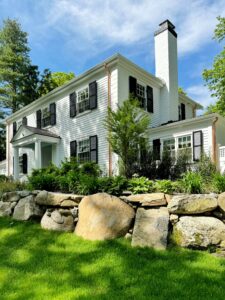
May is peak season for exterior upgrades. But in historic New England towns, replacing your siding isn’t as simple as picking a modern material and calling a contractor. From Wellesley Hills to Newton Centre, many homeowners face strict architectural review boards, historical commissions, and neighborhood design overlays.
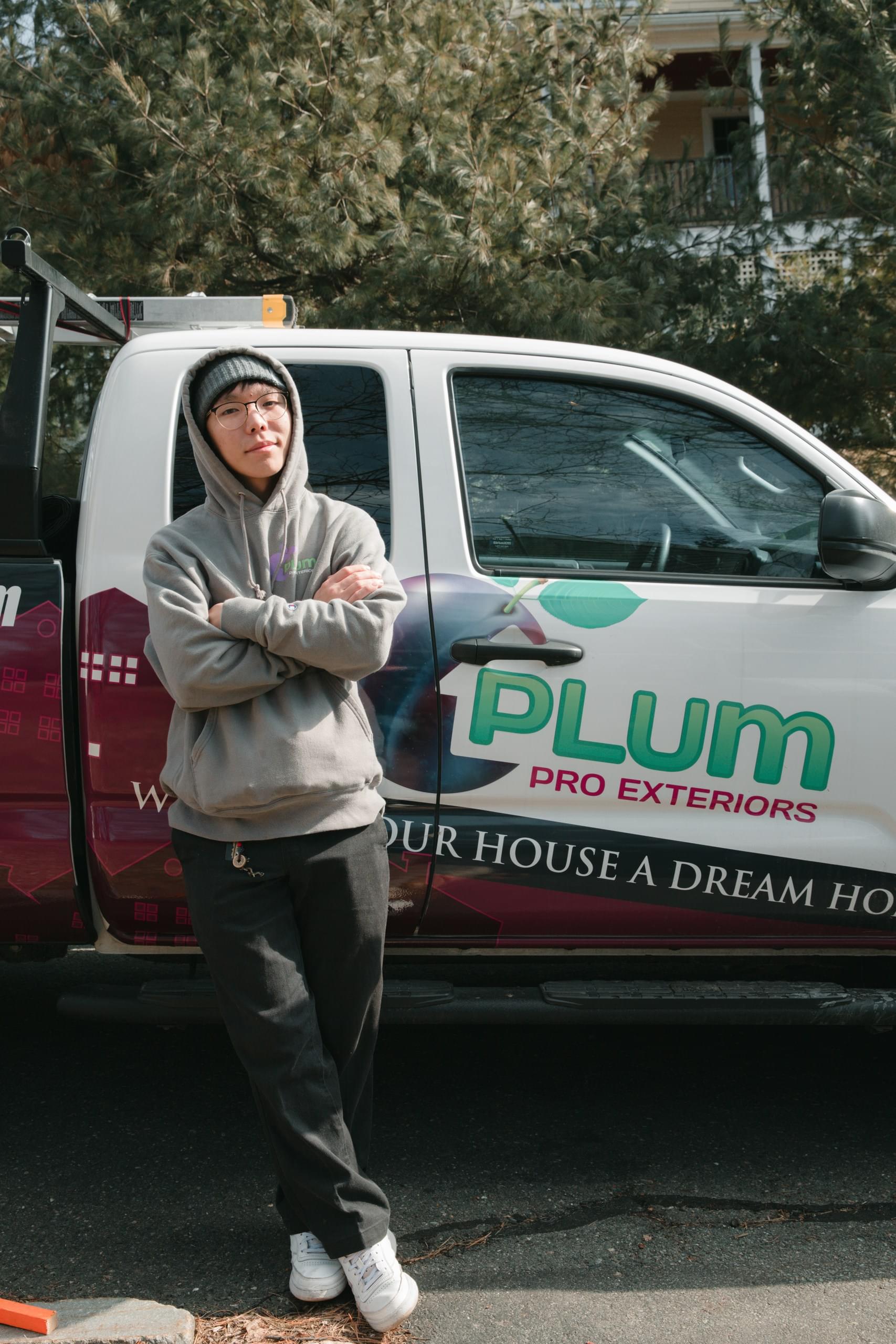
At Plum Pro Exteriors, we specialize in siding systems that meet these aesthetic requirements and outperform traditional wood in durability, energy efficiency, and longevity. If you’re thinking about refreshing your home’s exterior this spring, here’s what you need to know before making a move.
Why Wood is No Longer the Standard
For decades, cedar shingles and clapboards defined the look of Boston’s Colonial, Cape Cod, and Queen Anne homes. But even premium wood siding is:
- Prone to rot in humid summers and snowy winters
- Attractive to woodpeckers, carpenter bees, and termites
- High-maintenance (scraping, repainting, sealing)
- Expensive to maintain year over year
Today’s homeowners want that timeless look—without the constant upkeep.
Enter the New Generation of Siding Materials
Advanced materials like fiber cement, composite stone, and recycled polymer siding are changing the game. These systems replicate the texture and shadow lines of traditional clapboards and shingles while offering:
- Better resistance to moisture and pests
- Longer warranties (30–50 years)
- Fire resistance (Class A rated)
- Reduced maintenance requirements
- Eco-friendly manufacturing and sourcing
Popular options include:
- James Hardie® Fiber Cement – Ideal for Colonial-style homes
- Boral TruExterior® – Great for intricate trim and historic detail
- Everlast® Composite – Built for moisture-prone zones and coastal exposure
- ACRE® Siding – Made from upcycled rice hulls, sustainable and wood-like
Compliance Matters in Historic Districts
In neighborhoods like Wellesley Hills and Newton’s Auburndale, siding isn’t just about style—it’s about historical fidelity. Boards often require:
- Authentic woodgrain textures
- 4″–6″ exposures
- Consistent shingle or clapboard profiles
- Color matching or historically approved palettes
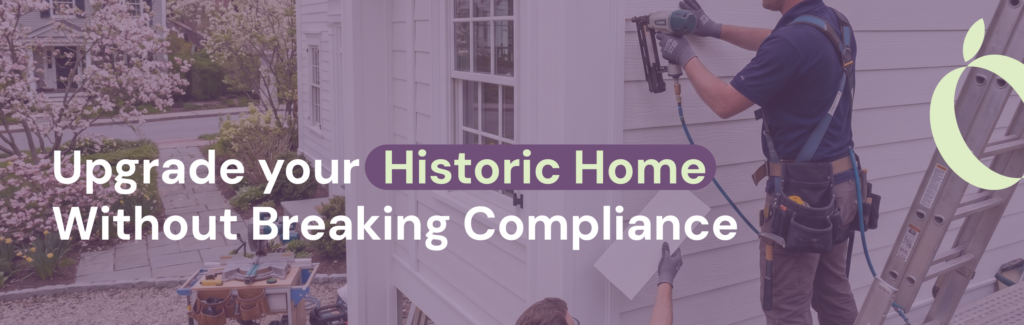
Plum Pro works with homeowners to source materials that satisfy both building codes and preservation guidelines—without sacrificing performance.
Siding That Performs in New England
The Boston suburbs experience some of the most punishing weather swings in the country—hot, humid summers followed by freezing, snowy winters. Your siding needs to:
- Resist moisture absorption
- Handle freeze-thaw cycles without cracking
- Maintain shape and color across temperature swings
- Integrate with insulation and vapor barriers for energy savings
High-performance materials like James Hardie or Boral help you meet these demands while keeping your exterior historically compliant.
Upgrade Your Exterior with Performance and Preservation in Mind
Whether you’re restoring a historic Wellesley Colonial or modernizing a Lexington Craftsman, siding sets the tone for your home’s entire aesthetic—and long-term resilience.
Let Plum Pro Exteriors help you select a material that honors your home’s history while protecting it from New England’s future.
Schedule your siding consultation today and beat the summer project backlog.
FAQs
1. Can I use fiber cement siding in a historic district?
Yes—especially brands like James Hardie, which offer authentic textures and exposures. We’ll guide you through board approvals if needed.
2. Is composite siding really better than wood?
For most homes, yes. It lasts longer, resists moisture, and requires far less maintenance—while still mimicking the look of wood.
3. Will modern siding affect my home’s resale value?
If properly installed and historically appropriate, it can actually increase value due to lower upkeep and longer warranties.
4. What’s the most eco-friendly siding option?
ACRE siding is a standout—made from upcycled materials, fully recyclable, and resistant to rot and pests.
5. How long does a siding project usually take?
Most projects take 7–14 days, depending on size, trim complexity, and weather conditions. Spring is an ideal time to start.