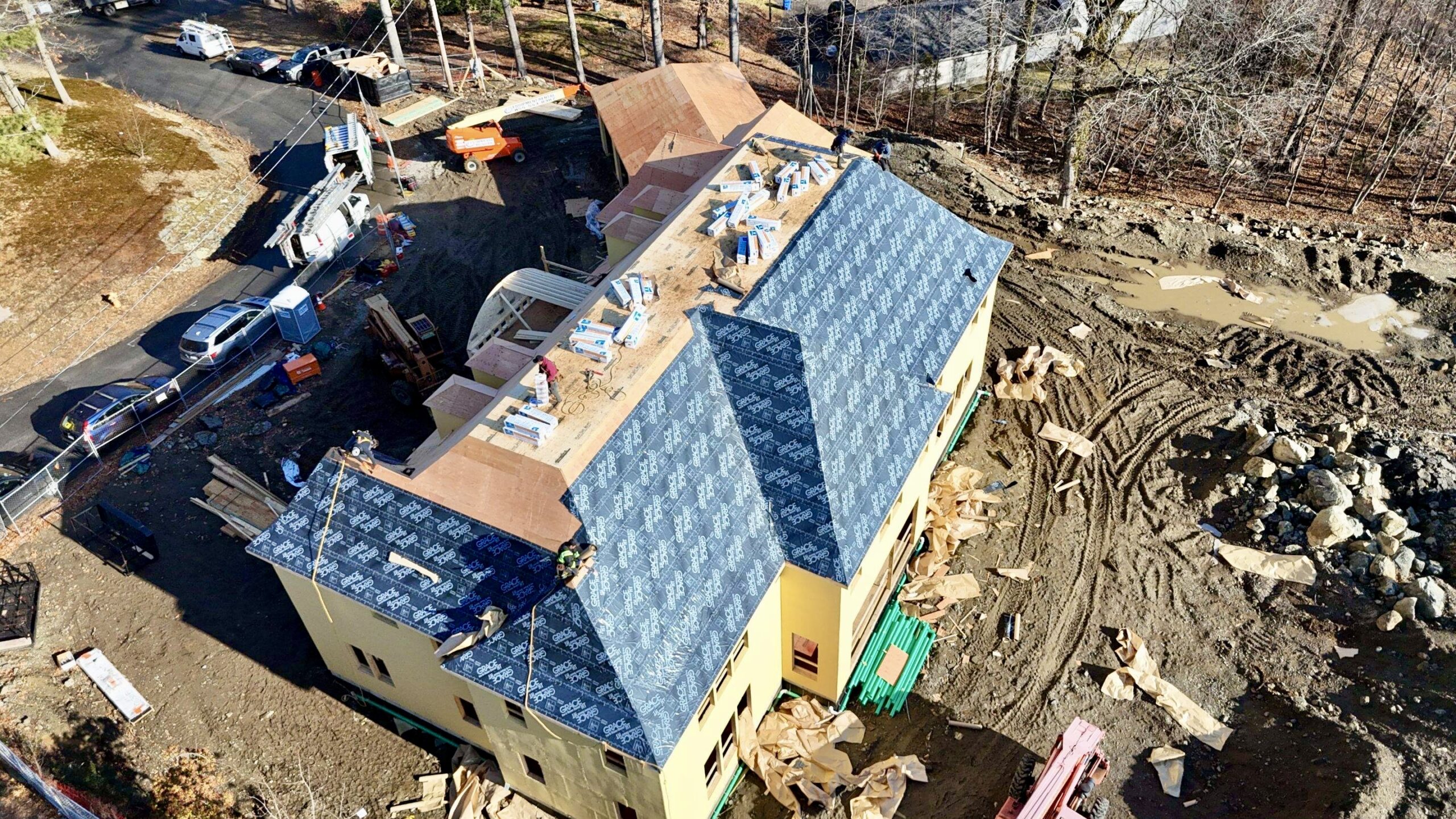
do you need a permit to replace a roof in massachusetts?
Yes. In Massachusetts, replacing a roof covering is building work that requires a permit from the town or city, whether the old shingles come off or a new layer goes over them. Small repairs do not. This guide explains where the line is, what the application includes, who is allowed to pull it, the rules the inspector checks on a re-roof, and what to do about a roof that was replaced without one. Most of what you will find online about roof permits is written for other states; this page is about Massachusetts.
price your roof in seconds
Answer five quick questions and see a standard, premium and deluxe range. No email needed to see the price.
our achievements







 ★★★★★5/5 · 170+ reviews
 ★★★★★5/5
 ★★★★★5/5
 ★★★★★5/5
 ★★★★★5/5
 ★★★★★5/5
 ★★★★★5/5
a re-roof needs a permit; a patch does not
A building permit is required to re-roof a house in Massachusetts: tearing off and replacing the shingles, adding a layer over the existing roof, replacing the roof deck, or changing the roof material. Patching a few shingles or repairing flashing is a repair and does not need one. The licensed contractor doing the work pulls the permit under their construction supervisor license and home improvement contractor registration, the town inspects the finished roof, and the permit becomes part of the house's record. Plum ProExteriors pulls the permit on every roof we install.

what a new roof costs
Roofing is priced by the square foot installed, and the material sets most of the price. Answer five quick questions for a standard, premium and deluxe range. Every project is quoted after we inspect the roof, and financing is available on every service we offer.
Request your exact quote
Your answers and estimate are already in the message. Add your details and we will schedule a free on-site visit.
what the inspector checks
The rules a Massachusetts re-roof has to meet. Scroll through them.
When a roof needs a permit
Replacing the roof covering, with or without a tear-off. Adding a second layer of shingles over the first. Replacing or repairing the roof sheathing. Changing the material, for example asphalt to metal or cedar. Replacing a flat or low-slope rubber roof. Any structural work on the rafters or trusses. Repairs that generally do not need one: replacing a few damaged shingles, resealing or replacing flashing around a chimney or vent, and small patches after storm damage. If a repair grows into replacing a whole slope, it becomes a permit job.
Is a roofing permit a building permit?
Yes. There is no separate roofing permit in Massachusetts; a re-roof is filed as a building permit for a residential alteration under the state building code, which every town enforces. Towns differ in the form, the fee and the turnaround, not in whether one is required. The application includes the scope (tear-off or overlay, material, underlayment and ice barrier, ventilation), the contractor's construction supervisor license and home improvement contractor registration, proof of workers' compensation insurance, and the fee, usually a flat residential fee or a small percentage of the job value. Most towns issue a residential re-roof permit within a few days to a couple of weeks; in a local historic district, a change of material visible from the street may need design review first.
Layers
Massachusetts allows one new layer of asphalt shingles over one existing layer, for a maximum of two. If the roof already has two layers, or the existing roof is water-soaked, buckled or rotted, it has to be stripped. Wood shingles, slate and tile cannot be overlaid. We recommend a tear-off on almost every roof, because it is the only way to inspect and repair the deck and install the ice barrier properly; an ice barrier cannot go over old shingles.
Ice barrier
A self-adhering ice and water membrane is required at the eaves, from the edge of the roof to at least 24 inches inside the exterior wall line. On a house with a typical New England overhang and a wide soffit, 24 inches past the wall line means two courses of membrane, about 6 feet up the roof, not one. On a low-slope roof the whole roof is covered. Valleys and the areas around chimneys, skylights and other penetrations get it too. This is the rule that protects a Massachusetts house from ice dams, and it only gets done right on a tear-off. See our ice dam prevention guide.
Underlayment, drip edge, flashing and ventilation
Underlayment over the whole deck, metal drip edge at the eaves and rakes, and new step and counter flashing at walls and chimneys; reusing old flashing is where re-roofs leak first. Intake at the soffits and exhaust at the ridge, balanced so the attic stays cold in winter and cool in summer; poor ventilation voids most shingle warranties and feeds ice dams.
Inspections
Most towns inspect the finished roof; some ask for a call when the deck is exposed or the ice barrier is down. We schedule the inspection and meet the inspector.
Can you replace your own roof?
A homeowner can pull a permit to re-roof their own home and do the work themselves, and the inspector holds the work to the same code. What a homeowner's permit does not give you is the protection of the state's home improvement contractor program if something goes wrong, and most shingle manufacturers' warranties depend on installation by a qualified contractor, so a do-it-yourself roof usually carries the material warranty only. Insurers can also ask who installed the roof when a claim is filed. The other version of this question is a contractor asking the homeowner to pull the permit; that contractor is usually avoiding the licensing requirement, and the homeowner takes on the liability. The permit should be pulled by the licensed contractor doing the work. We pull every permit under our own license.
Roofs replaced without a permit
An unpermitted roof surfaces when the house is sold, when an insurance claim is filed, or when a later permit brings the inspector to the property. The usual outcome is a retroactive permit, which may mean lifting shingles to verify the ice barrier and the layers. An insurer can also question a claim on an unpermitted roof. If you are buying a house with a recent roof, ask for the permit; if you own one, we can inspect it and tell you what a retroactive permit would involve.
what a permitted roof costs
Asphalt shingles
The most common roof in Massachusetts
- Standard
- $7.20
- Premium
- $8.90
- Deluxe
- $9.30
Rubber (EPDM)
Flat and low-slope roofs
- Standard
- $14.40
- Premium
- $17.10
- Deluxe
- $18.90
Metal
Standing seam; sheds snow before it can dam
- Standard
- $17.40
- Premium
- $19.80
- Deluxe
- $21.10
Cedar shingles
Natural wood, classic New England look
- Standard
- $18.60
- Premium
- $21.30
- Deluxe
- $23.50
Why the permit is in the price
A roof priced without the permit, the tear-off and the ice barrier is a roof that will cost you later, at sale, at claim time or in the first bad winter. Our roofing prices include all of it. Use the calculator above for your roof size, see our roof replacement cost guide, and book a free estimate for a measured quote. Financing is available on every project.
how plum proexteriors handles the permit
We inspect the roof, count the layers, check the deck from the attic and tell you whether it needs a tear-off. You get a written quote with the permit, the ice barrier and the inspection in it. We file the application under our construction supervisor license and home improvement contractor registration, wait for the permit, strip and replace the roof, and meet the inspector. The permit goes into the house's record, where a buyer or an insurer can find it. Financing is available.
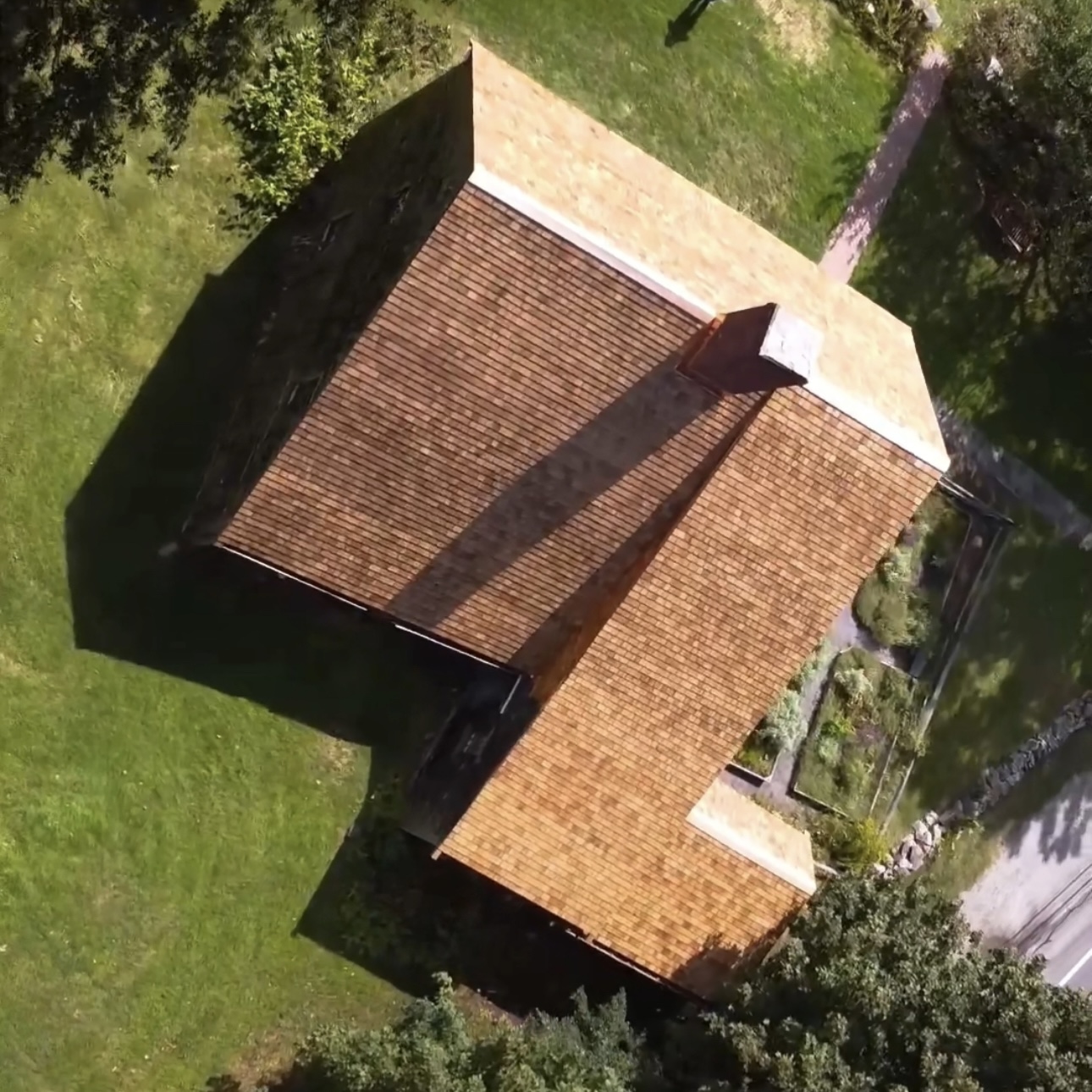

what our clients say
The owner is on site for every project, and when the job is done he asks every client the same question on camera: what do you think? These are their answers, at their own homes.
 Tap to play
 Tap to play
 Tap to play
 Tap to play
 Tap to play
 Tap to play
 Tap to play
 Tap to play
 Tap to play
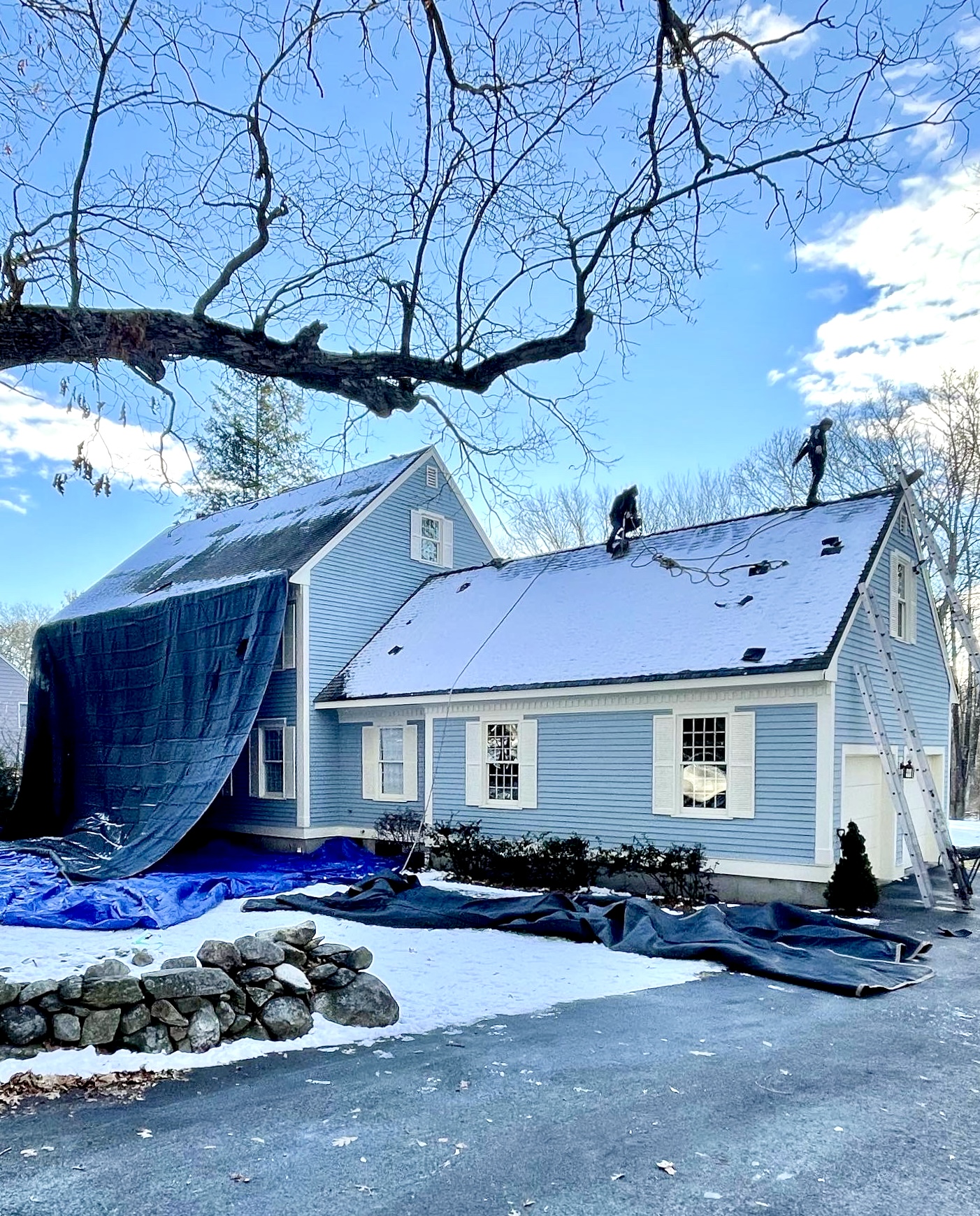
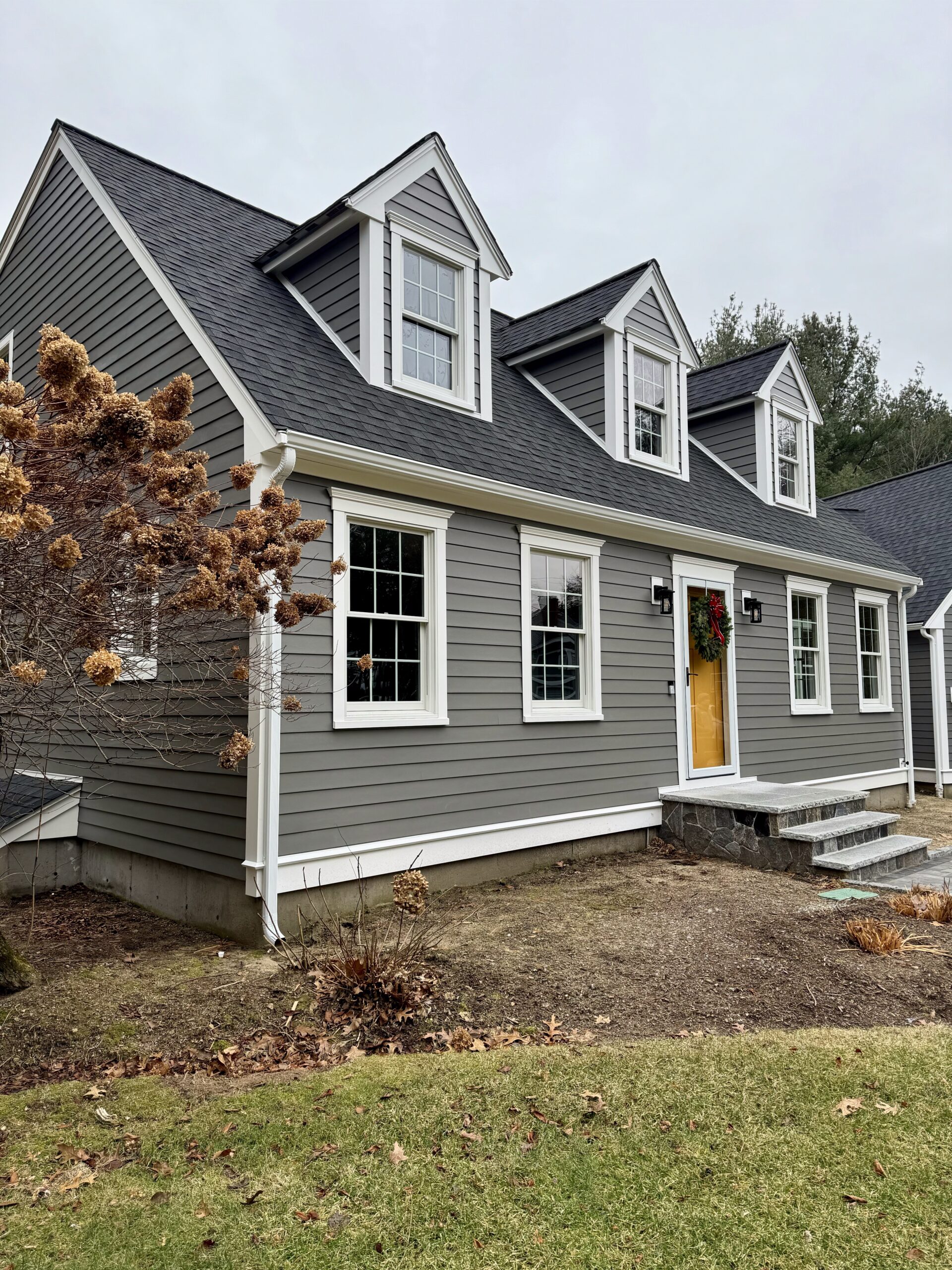
recent roofing projects
more on roofing
frequently asked questions
Do I need a permit to replace shingles in Massachusetts?
To replace the roof covering, yes. To patch a few damaged shingles, no.
Can I put new shingles over old ones?
One layer over one existing layer is allowed if the old roof is sound. Two existing layers, or a deteriorated roof, must be stripped. We recommend a tear-off in almost every case.
Is ice and water shield required in Massachusetts?
Yes. A self-adhering ice barrier is required at the eaves to at least 24 inches inside the exterior wall line, which is usually two courses on a New England roof, and in valleys and around penetrations.
Who pulls the roofing permit?
The licensed contractor doing the work. We prepare, file and manage the permit on every roof.
Do you need a license to roof a house in Massachusetts?
A contractor does: a construction supervisor license and a home improvement contractor registration. A homeowner can pull a permit for their own house without one.
How much does a roofing permit cost?
It is set by the town, usually a flat residential fee or a small percentage of the job value. It is included in our price.
How long does a roof permit take?
Usually a few days to a couple of weeks. Historic district review adds time. We build it into the schedule.
Does the permit affect my insurance?
A permitted, inspected roof is what an insurer expects to see on a claim and what a buyer's inspector looks for at sale.
book a free roof estimate
Call us or send the estimate form. We will inspect the roof, tell you whether it needs a tear-off, and give you a written quote with the permit included.
Call (508) 266-5411 Send the estimate form