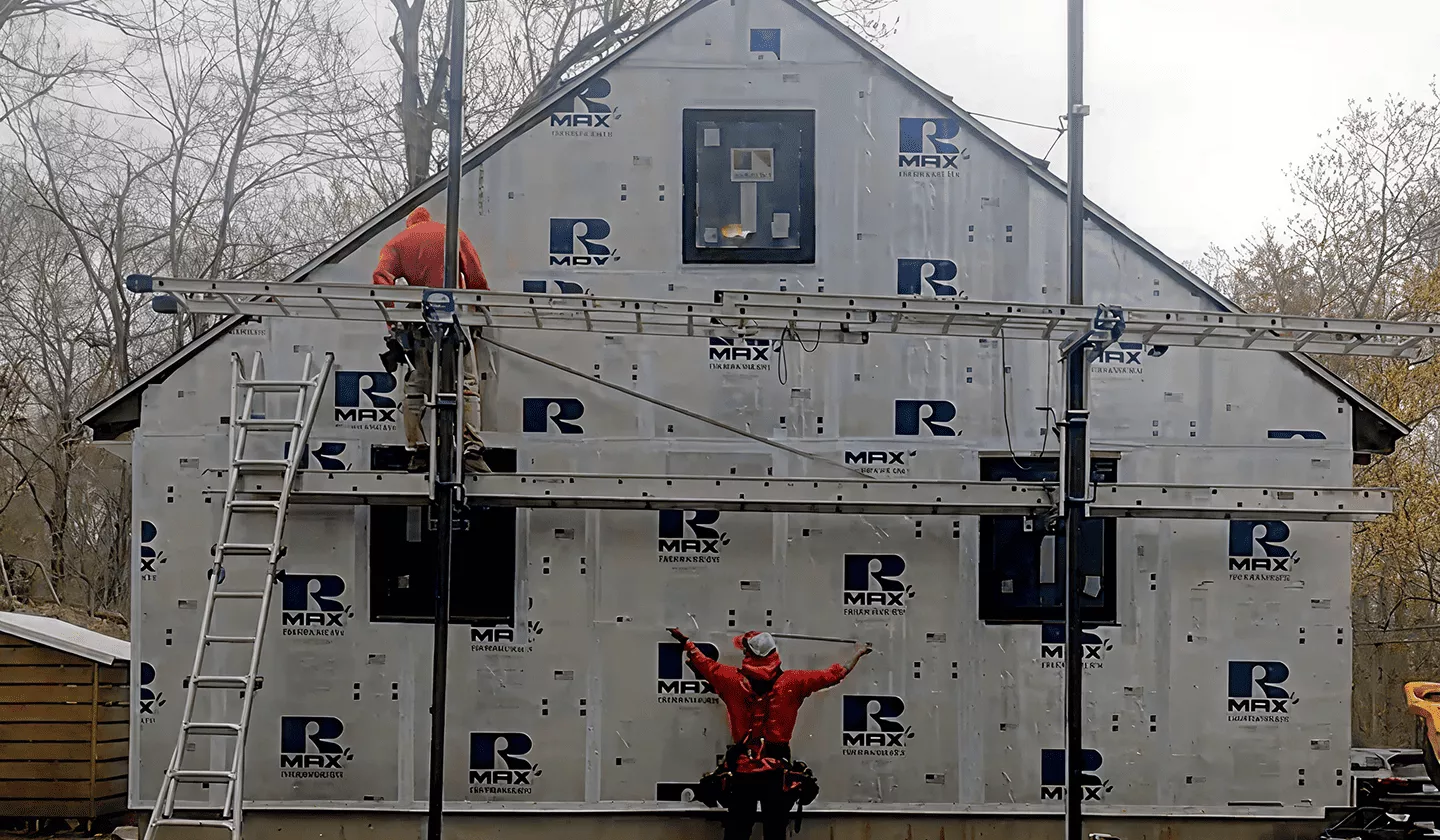
Expert Siding Underlayment Installation
Where freeze-thaw cycles, wind-driven precipitation, ice dams, and high humidity are constant, siding underlayment prevents seepage, structural damage, and energy efficiency losses. Plum ProExteriors tailors high-performance protection solutions to Massachusetts and New England’s native conditions. This approach combines professional installation, modern moisture barrier solutions, and a deep understanding of the region’s architecture and building styles.
our achievements








 5/5
5/5

 5/5
5/5

 5/5
5/5

 5/5
5/5

 5/5
5/5

 5/5
5/5
 5/5
5/5


Our Siding Underlayment Services
Siding underlayment protects a home’s exterior against moisture intrusion, draft, hidden mold growth, and energy loss. In Massachusetts and New England, buildings are constantly exposed to freeze-thaw cycles, heavy precipitation, and high winds. Fanfold products, therefore, remain a prime go-to option due to their lightweight design, fast installation, and added insulation value.
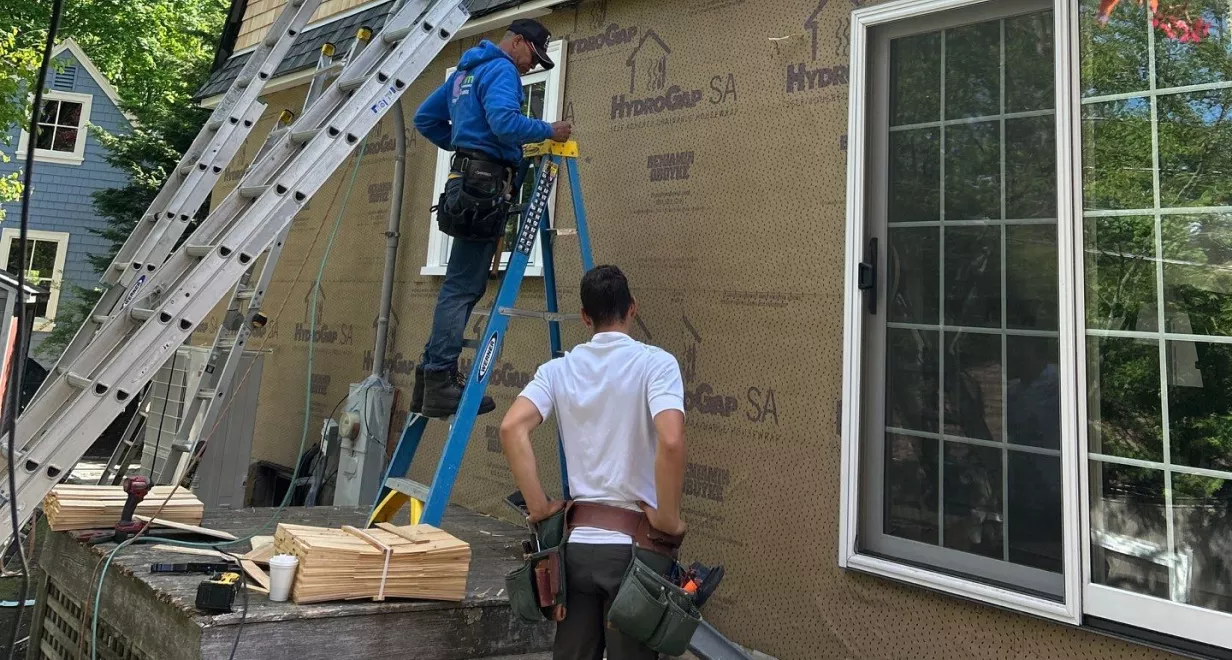
Insulation board installation
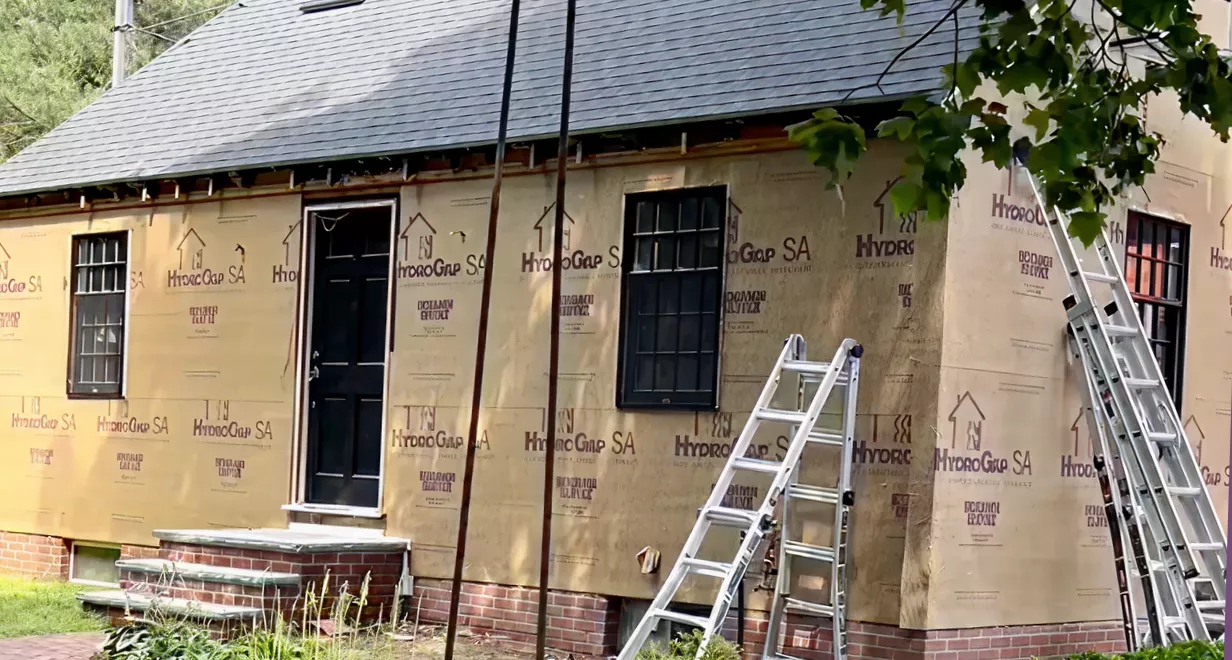
Underlayment replacement & retrofit
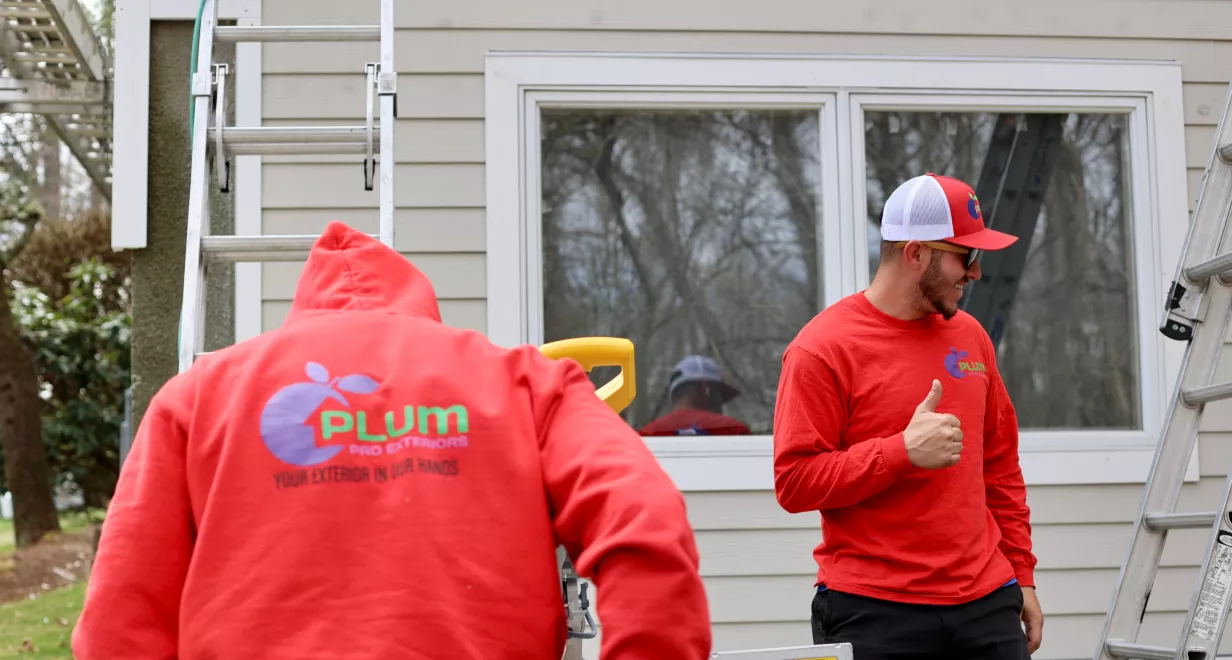
Inspection & moisture assessment
Types of siding underlayment materials
Massachusetts homes ought to endure heavy snow, ice dams, severe winds, intense precipitation, and humid summers. Conditions like these make the choice of underlayment and long-term exterior protection non-optional. We select siding underlayment based on the type of siding, local climate conditions, energy waste goals, and overall project budget.
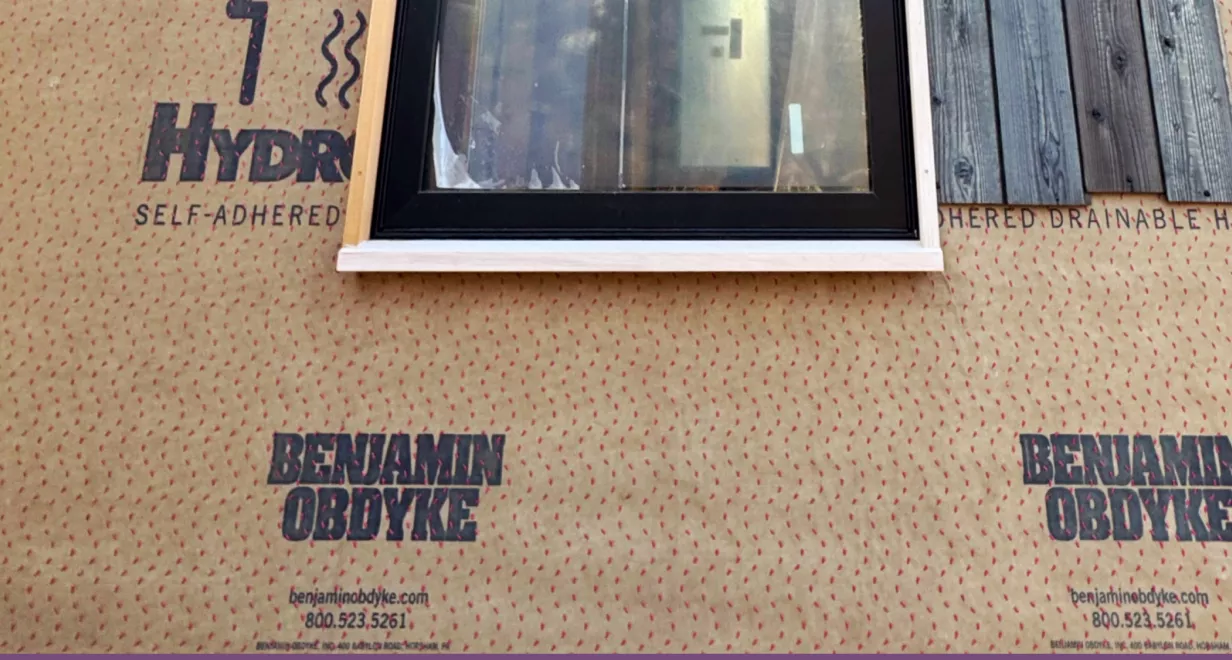
House wrap (weather-resistant barrier)

Fanfold foam underlayment

Extruded polystyrene (XPS) rigid board
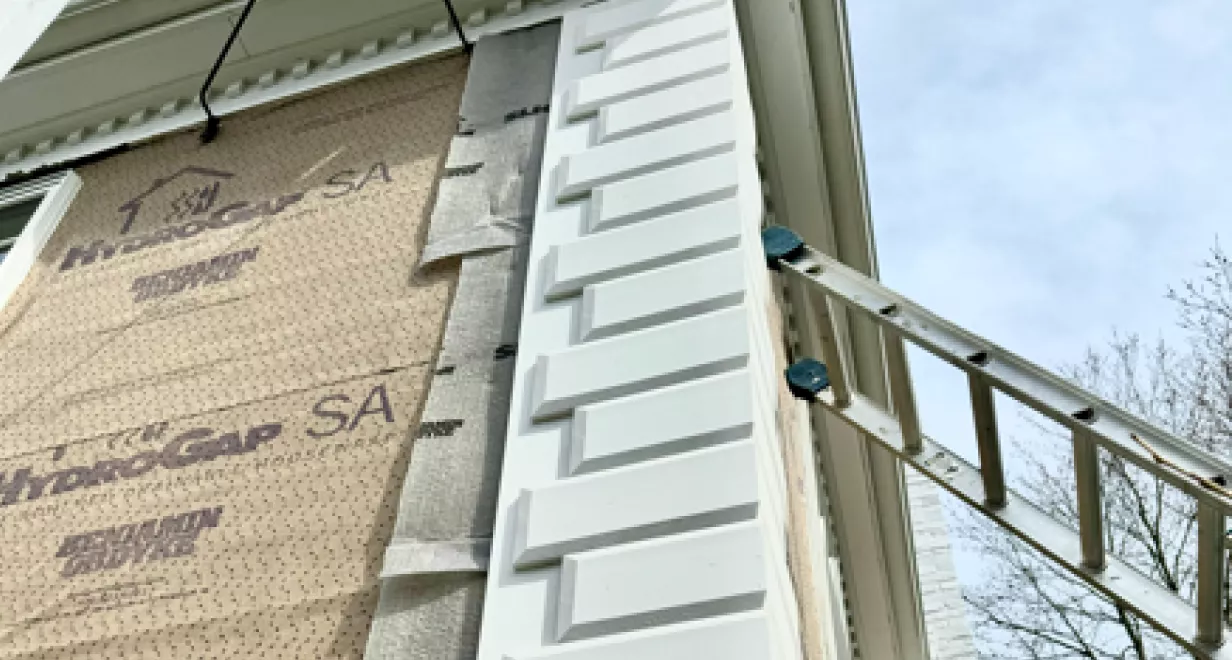
Drainable housewrap & rainscreen
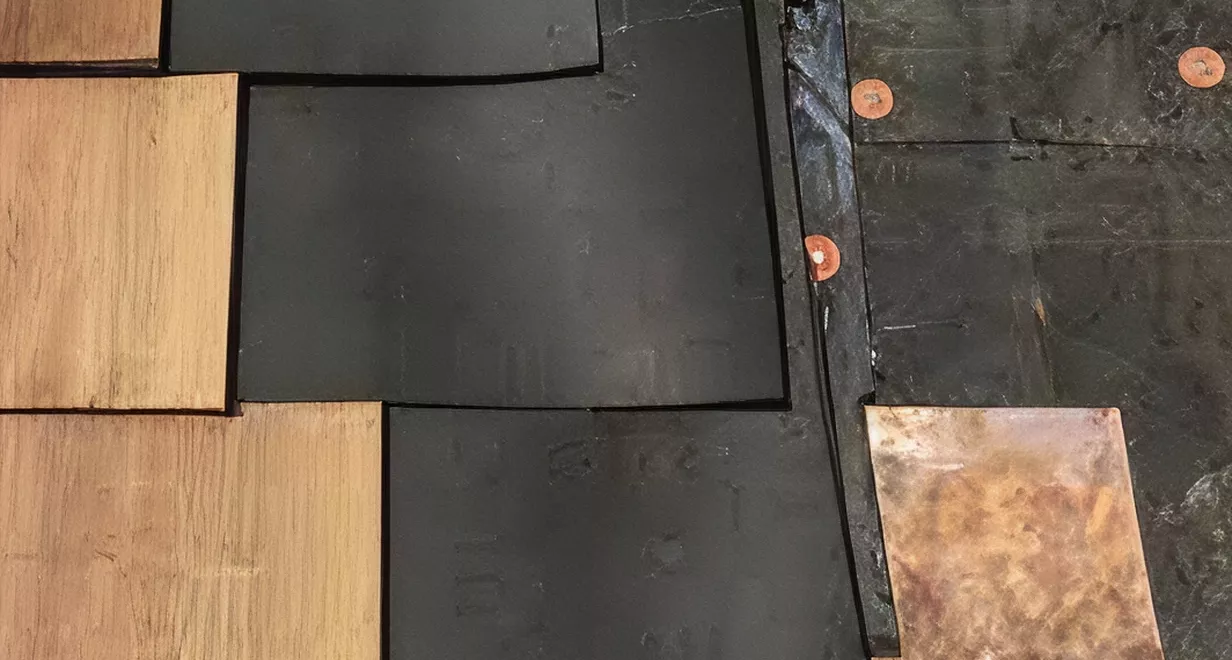
Cedar shake & shingle underlayment
Properties We Serve Across Massachusetts
Plum ProExteriors installs siding underlayment systems for residential properties of all types across Massachusetts and the broader New England area. We tailor each solution to the building structure, siding system, and moisture protection requirements.
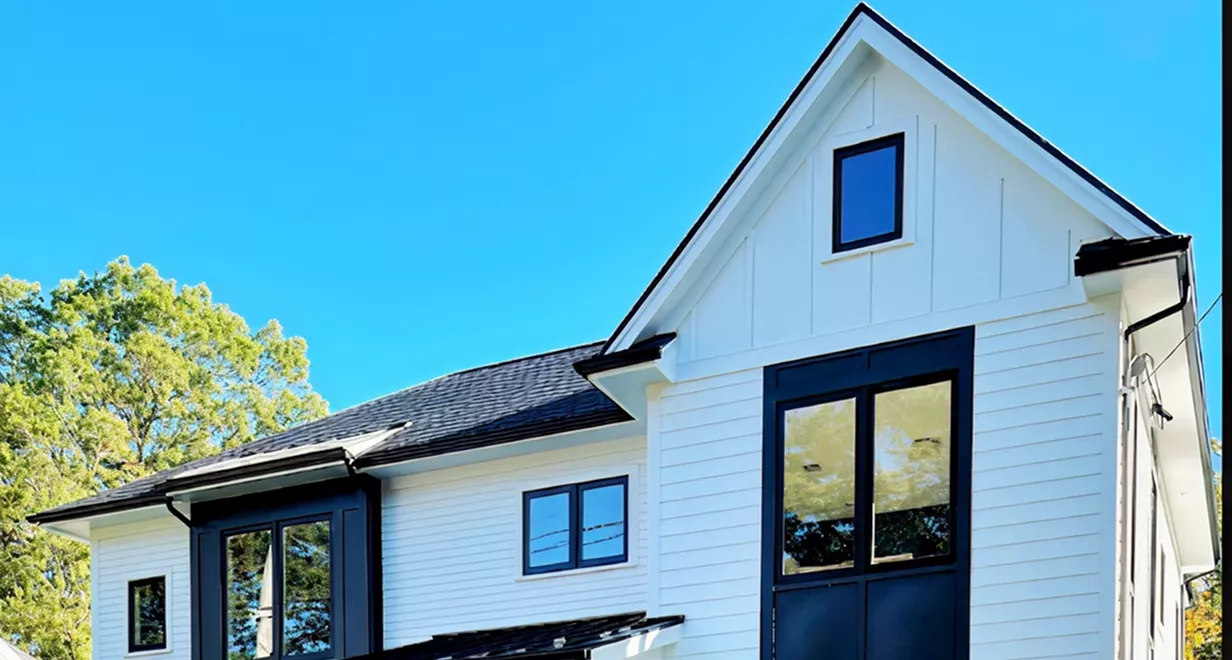
Single-family homes

Multi-family & condo buildings
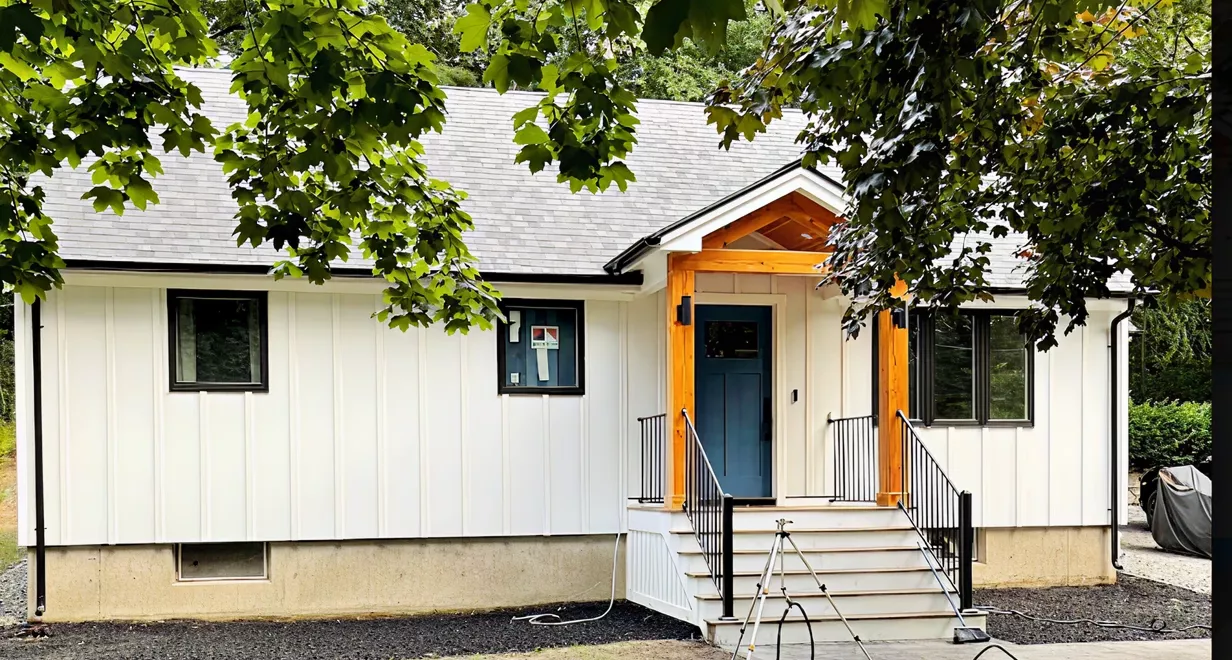
Mobile & manufactured homes
Why Massachusetts Homeowners Choose Us
Plum ProExteriors installs siding underlayment systems specifically engineered for Massachusetts homes and New England weather conditions. We bring together cutting-edge waterproof siding underlayment and assembly technologies, local building expertise, sustainable moisture protection solutions, and detail-oriented workmanship. Thus, we help homeowners and property managers protect their properties’ exterior walls from long-term moisture intrusion, mold risk, and seasonal energy loss.

New England climate expertise
Underlayment for vinyl siding commercial and residential projects across New England must account for freeze-thaw cycles, nor’easters, elevated humidity, ice dams, and prolonged winter moisture exposure. Plum ProExteriors selects siding underlayment materials based on the environmental conditions affecting Massachusetts throughout the year cycle.

Waterproof & mold-resistant installs
Every siding underlayment system we install reflects our attention to seam sealing, water management, and long-term moisture resistance. This streamlines the effort to prevent hidden water infiltration inside exterior wall assemblies. Water damage mold remediation often costs significantly more than professionally installing or replacing a high-performance underlayment system.

Code-compliant workmanship
All siding underlayment installations are completed strictly in accordance with Massachusetts building code requirements and manufacturer installation specifications. Proper code-compliant workmanship is especially important for maintaining warranty eligibility, supporting insurance claims, and protecting long-term property value.

Top-brand underlayment materials
Plum ProExteriors carefully utilizes premium house wrap, rigid insulation, and moisture barrier products manufactured by trusted and reliable industry brands such as Tyvek, Kingspan, and Benjamin Obdyke. Many of these systems include manufacturer-backed warranties to support long-term exterior durability and moisture protection.

Improved energy efficiency
Siding underlayment insulation upgrades eventually reduce heating costs during harsh Massachusetts winters. To achieve all this, Plum ProExteriors minimizes thermal bridging by improving the building envelope’s overall performance. For instance, fanfold siding underlayment systems provide additional thermal resistance beneath exterior cladding, while professionally installed house wrap assemblies reduce air leakage and improve airtightness. Also, extruded polystyrene insulation boards function as a continuous insulation layer that supports current Massachusetts energy efficiency standards.

Honest, transparent pricing
Plum ProExteriors provides free siding underlayment assessments, transparent pricing, and clearly defined project scopes with no hidden costs or unexpected change orders. Those who wish to understand better typical project expenses can also explore our siding installation cost resources before scheduling an estimate.


Our professional partnerships





















Our Service Area
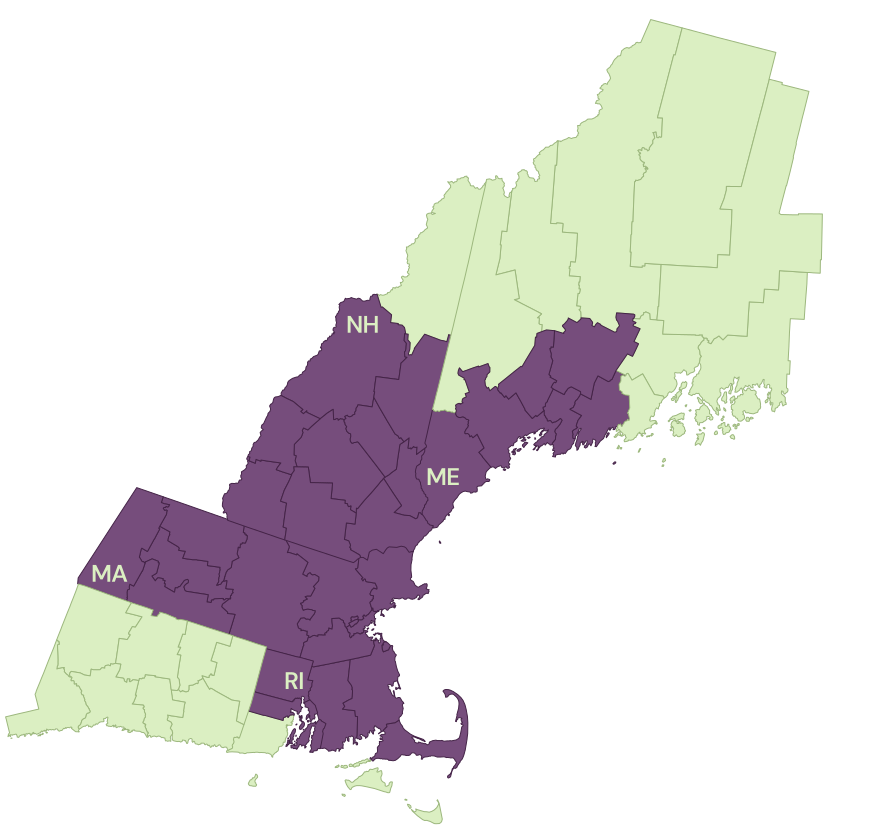
the whole of Massachusetts and New England including New Hampshire, Maine and Rhode Island.
Google Reviews






Frequently asked Siding Underlayment FAQ
What do you put underneath the siding?
Most siding systems include a protective underlayment layer such as house wrap, fanfold insulation, or rigid foam board installed beneath the exterior cladding. In Massachusetts, the choice of the right material is directly influenced by climatic conditions, specifically freeze-thaw cycles, wind-driven precipitation, and high humidity. Plum ProExteriors selects and installs underlayment systems based on the type of siding and the specific conditions of the home.
What is the purpose of siding underlayment?
Siding underlayment protects a home’s exterior walls against moisture, air leaks, and wind-driven precipitation. Additionally, it supports ventilation and drainage within the siding system. In the New England climate, this technology mitigates hidden damage and energy efficiency losses. Plum ProExteriors team installs underlayment as part of a complex and comprehensive facade protection system.
Do I need underlayment for siding in Massachusetts?
In most cases, siding underlayment is a must for homes in Massachusetts due to freeze-thaw cycles, frequent and heavy precipitation, ice dams, and high humidity. Without proper protection, there is an increased risk of moisture penetration and mold growth caused by water damage. Plum ProExteriors recommends and installs code-compliant systems adapted to the New England climate.
What is the best underlayment for vinyl siding?
The best underlayment for vinyl siding is house wrap or fanfold insulation, depending on the condition of the walls, humidity levels, and the home’s energy efficiency goals. In Massachusetts, breathable, weather-resistant systems that can withstand seasonal weather conditions are preferable and often chosen. Plum ProExteriors tailors solutions according to each project’s specifications.
What is the best underlayment for Hardie board siding?
The best underlayment for Hardie siding is a drainable house wrap or a rainscreen system. Both enable effective moisture drainage and ventilation of the facade. These systems meet James Hardie’s recommendations for moisture management and long-term performance. Plum ProExteriors installs solutions that meet the manufacturer’s requirements and are suited to the Massachusetts climate.
How much does siding underlayment installation cost?
The final cost of siding underlayment installation can only be determined after a detailed assessment of the condition of the house and the exterior cladding system. The price depends on the type of siding, the scope of work, the condition of the walls, the moisture level, and whether insulation is required. Plum ProExteriors provides an on-site assessment to generate an accurate and transparent estimate with no hidden costs.
The envelope inside and out. Notes from the construction field
A home’s exterior is a system where every layer matters. That is why we regularly share practical insights on all kinds of exterior work. Investigate the Plum ProExteriors blog to gain a deeper understanding of how to properly select and maintain siding systems in the New England climate.
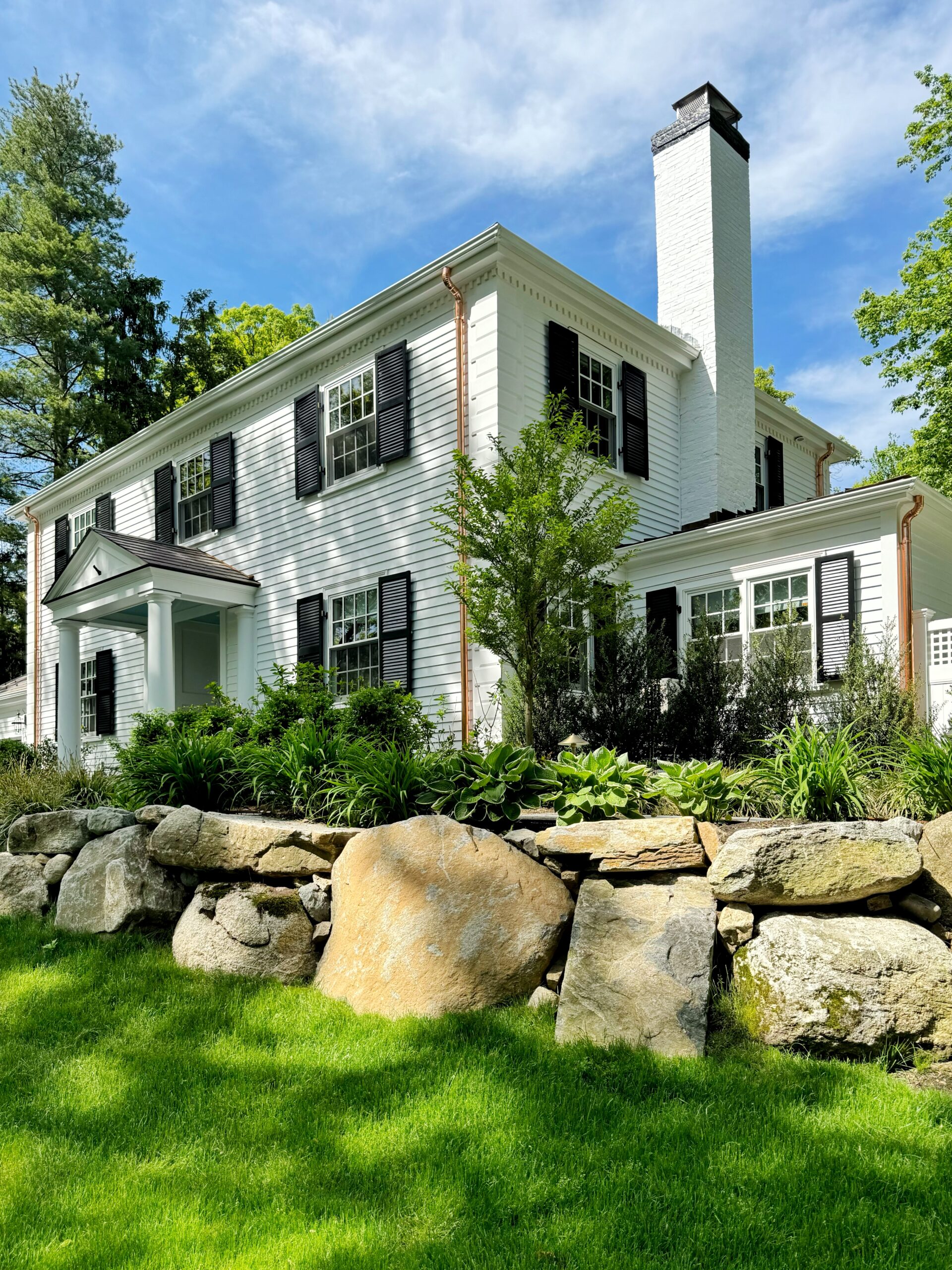
Roof, Siding, Windows or Gutters: What Comes First?

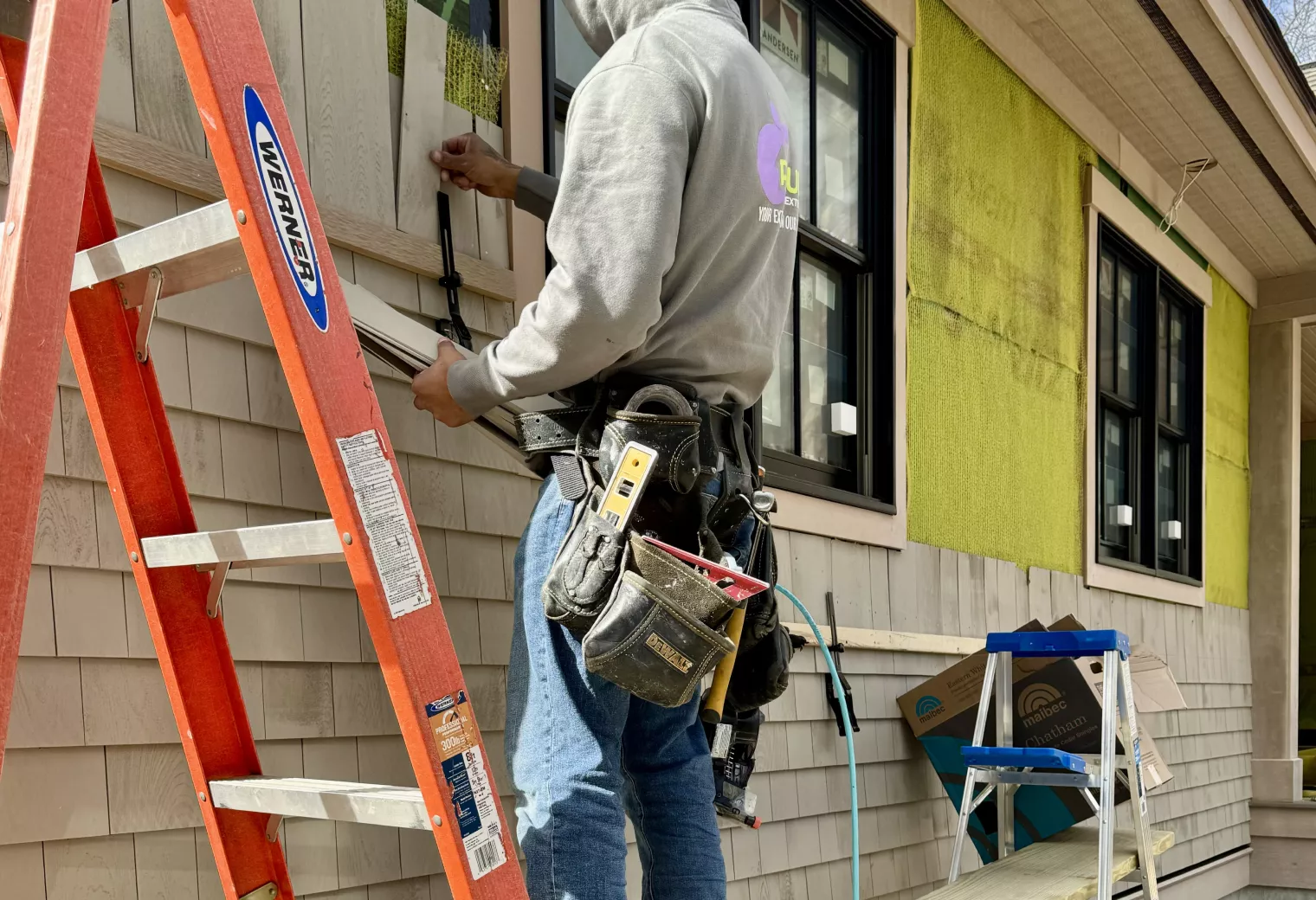
Massachusetts Siding Permits: 780 CMR Explained

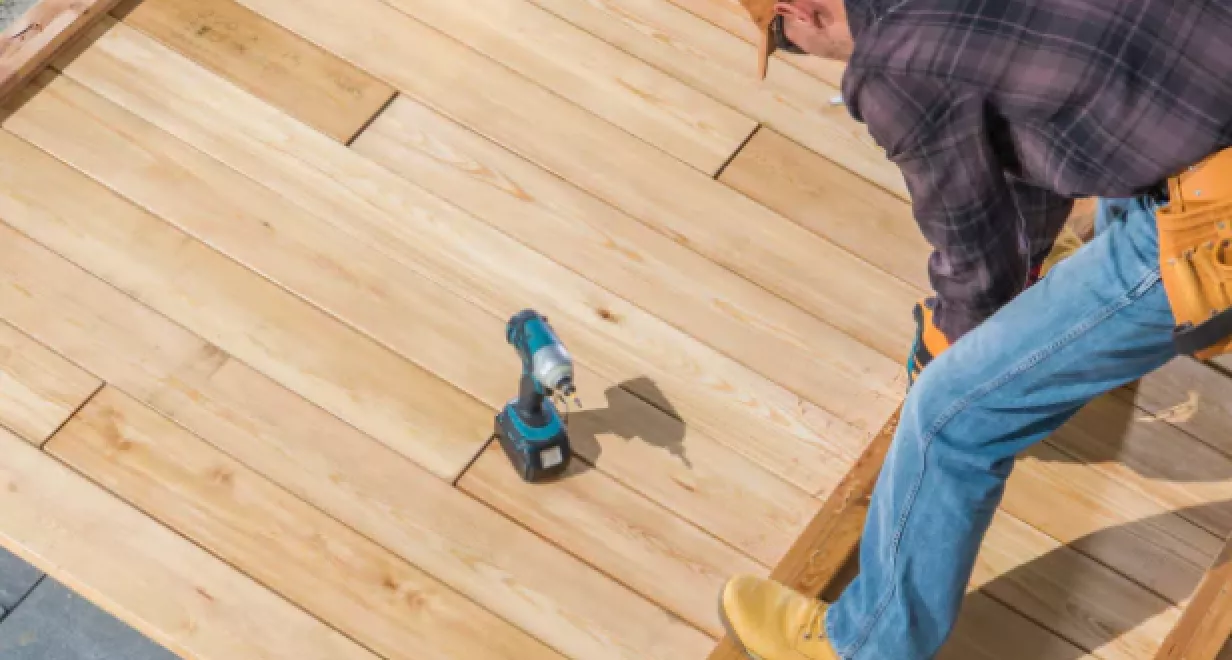
Why Is Your House Still Drafty?


Contact us
Contact Plum ProExteriors for a professional assessment of your home and to find the best solution for long-lasting protection.