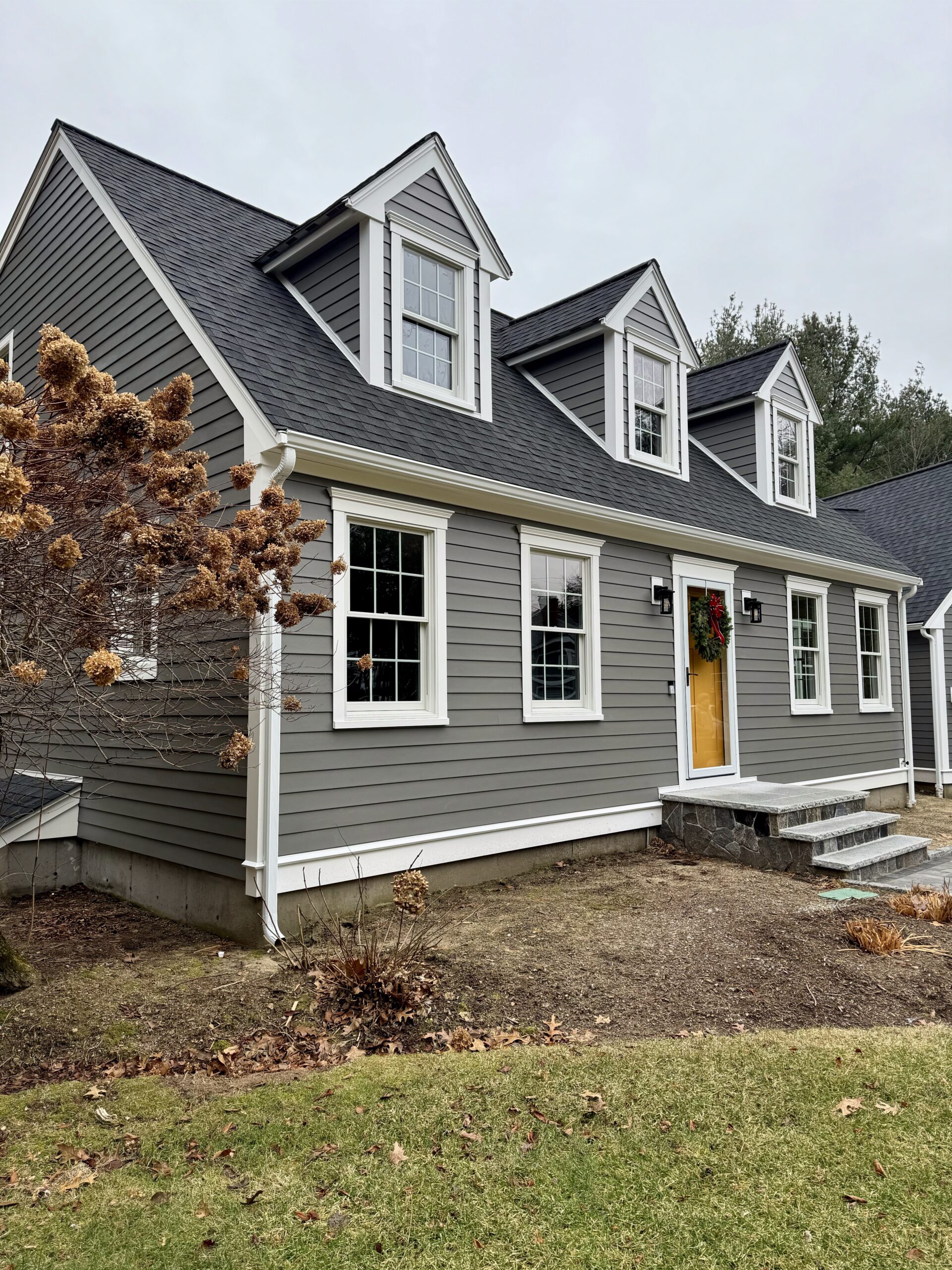
5-inch vs 6-inch gutters
One inch does not sound like much, but going from a 5-inch to a 6-inch gutter changes how much water the system can carry, the size of the downspouts and the load on your fascia. Most homes are fine with 5-inch gutters. Some clearly need 6-inch. This guide explains how to tell which one your roof calls for.
price your gutters in seconds
Answer four quick questions and see a standard, premium and deluxe range. No email needed to see the price.
our achievements







 ★★★★★5/5 · 170+ reviews
 ★★★★★5/5
 ★★★★★5/5
 ★★★★★5/5
 ★★★★★5/5
 ★★★★★5/5
 ★★★★★5/5
most homes take 5-inch, big roofs take 6
5-inch gutters are the standard size and handle most single-family homes. Choose 6-inch gutters if your roof is large or steep, if valleys pour a lot of water onto one spot, if long runs drain to a single downspout, if you have a metal roof, or if your current gutters overflow in heavy rain even when they are clean. A 6-inch K-style gutter carries roughly 40 percent or more water than a 5-inch one, and it pairs with a larger downspout that drains it faster.
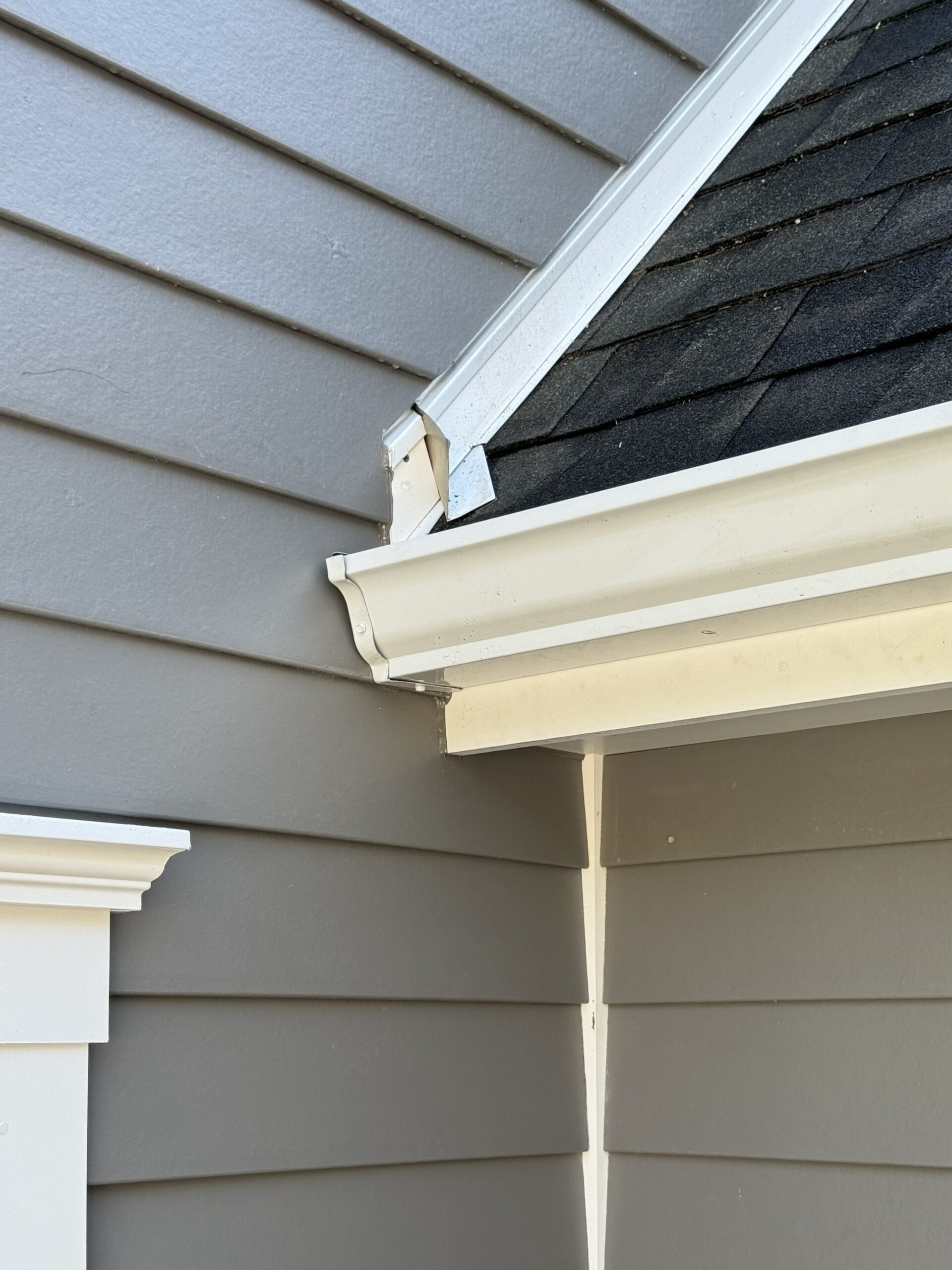

what new gutters cost
Gutter pricing is built from the length of your roof edge, the material, the profile and whether you add guards. Answer four quick questions for a standard, premium and deluxe range. Every project is quoted after we measure the house, and financing is available on every service we offer.
Request your exact quote
Your answers and estimate are already in the message. Add your details and we will schedule a free on-site visit.
how 5-inch and 6-inch gutters compare
- Width: measured across the top opening, 5 inches or 6 inches
- Capacity: the wider, deeper 6-inch trough holds and moves substantially more water
- Downspouts: 5-inch systems usually use 2x3-inch downspouts; 6-inch systems usually use 3x4-inch downspouts, which drain much faster
- Weight: 6-inch gutters hold more water, debris and ice, so hanger spacing and fascia condition matter more
- Look: 6-inch gutters are more visible on smaller homes; on larger homes they look in proportion
- Cost: 6-inch uses more material and larger downspouts, so it costs more to install
when 5-inch gutters are enough
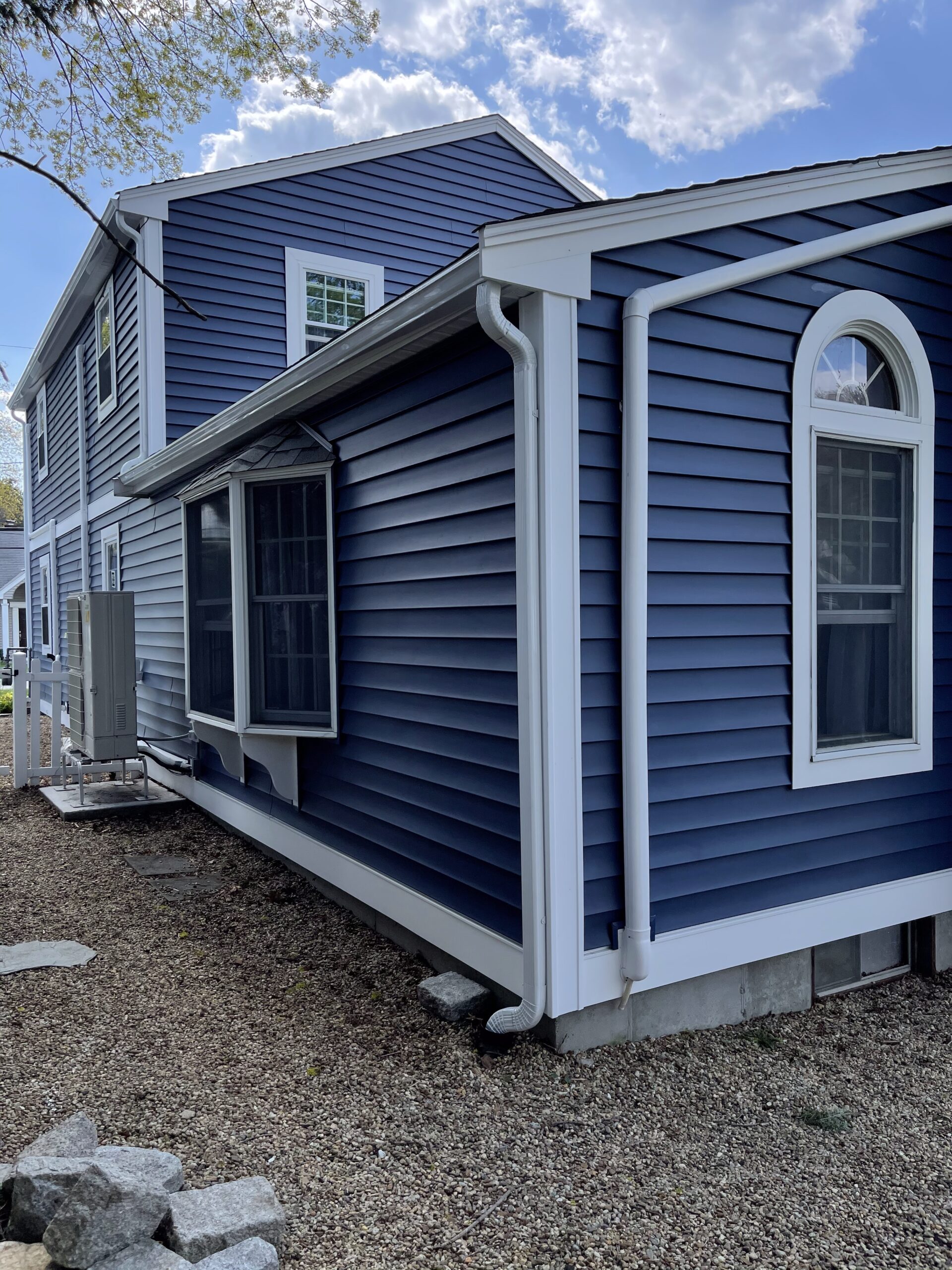
For a typical colonial, cape or ranch with a moderate roof pitch, runs of reasonable length and enough downspouts, 5-inch gutters work well. Adding a downspout is often a better fix for an overflowing corner than upsizing the whole house. Our guide to how many downspouts you need explains spacing.
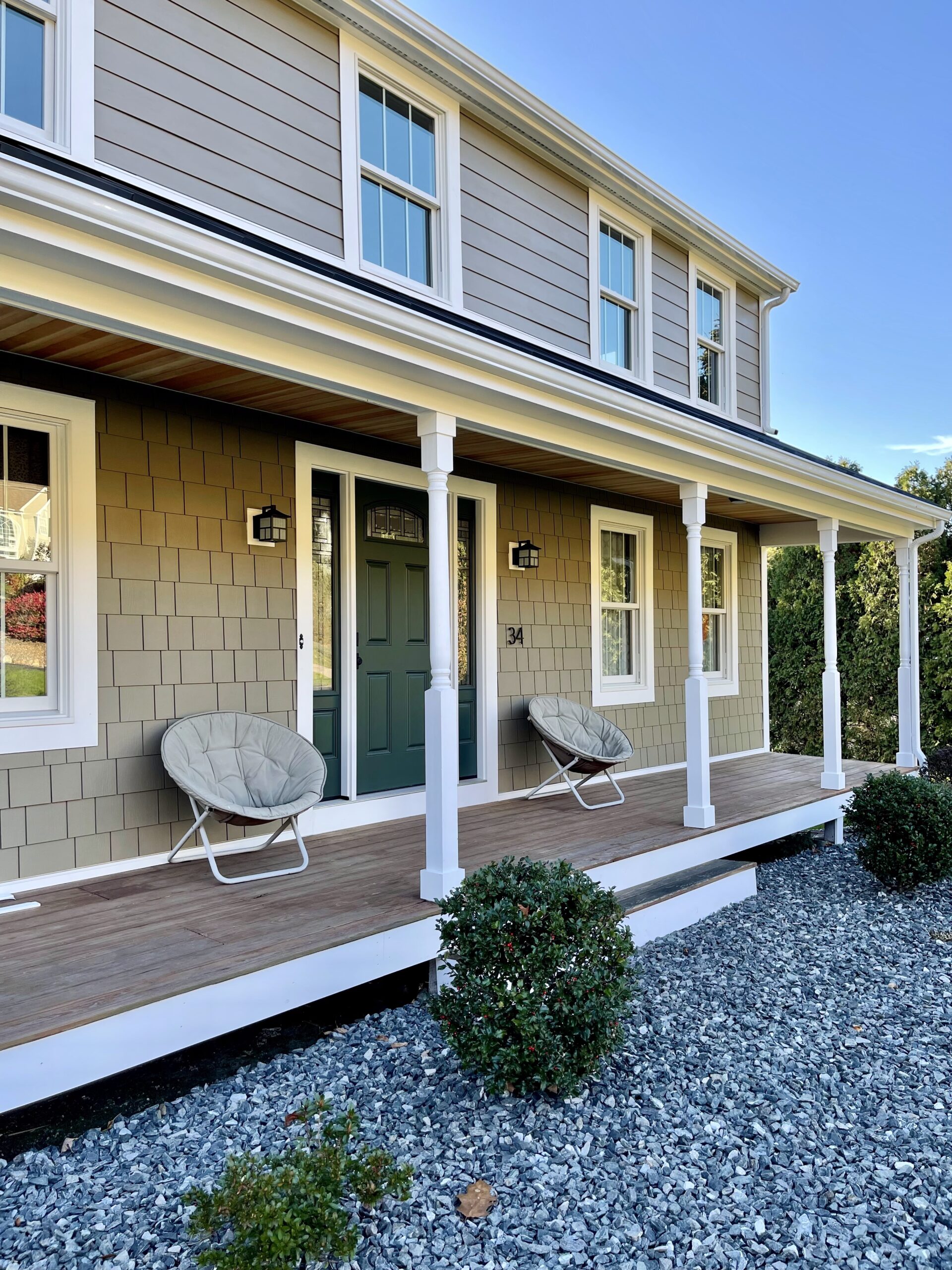
when you need 6-inch gutters
Large roof areas
The more roof surface drains into a gutter run, the more water that run must carry. Big roof planes on larger homes often outgrow 5-inch gutters.
Steep pitches
Water comes off a steep roof faster and can shoot over the front edge of a small gutter. A wider trough catches more of it.
Valleys and inside corners
Where two roof planes meet, the valley funnels water to one point on the gutter. That spot overflows first, even when the rest of the run is fine.
Long runs with few downspout locations
If a long eave can only drain at one end, a 6-inch gutter with a 3x4 downspout carries the flow without backing up.
Metal roofs
Metal sheds water and snow quickly and in volume. Many installers pair metal roofing with 6-inch gutters, plus snow guards to protect them.
Gutters that overflow when clean
If your gutters spill over in a hard rain even after cleaning, the system is undersized for that part of the roof.
Sizing for New England Weather
In Massachusetts, gutters deal with more than rain. Snowmelt, ice and the occasional nor'easter put weight and volume on the system. A bigger gutter holds more ice, so a 6-inch system needs strong hangers spaced closer together and sound fascia behind it. Before upsizing, we check the fascia for soft spots, because the fascia carries the full weight of the gutter. Learn more in our guide to what fascia is, and in how new gutters help in winter.
How Professionals Size Gutters
Contractors size gutters from the roof area that drains into each run, adjusted for pitch, with the local rainfall intensity factored in. Industry methods, such as the sizing tables published by SMACNA (the sheet metal contractors' association), turn those inputs into a gutter width and a downspout count. In practice, an experienced installer walks the roof, notes the valleys and runs, and sizes each section. That can mean 5-inch on most of the house and 6-inch on one large rear plane.
How to Tell What Size Gutters You Have
Measure across the top of the gutter from the back edge to the front lip. About 5 inches means a 5-inch gutter; about 6 inches means a 6-inch gutter. You can also check the downspouts: 2x3-inch downspouts usually go with 5-inch gutters, and 3x4-inch with 6-inch.
Are 4-Inch Gutters Too Small?
For most homes, yes. 4-inch gutters are found on small structures such as sheds and porches but are usually undersized for a house roof in New England rain and snow.
frequently asked questions
Are 5-inch gutters standard?
Yes. 5-inch K-style gutters are the most common size on homes today.
Are 6-inch gutters worth it?
They are worth it when the roof is large, steep, metal or has valleys that overflow. On an average roof with enough downspouts, 5-inch gutters do the job.
Do 6-inch gutters look too big?
On a large two-story home they look in proportion. On a small one-story house they can look heavy. We can use 6-inch only on the sections that need it.
Can I mix gutter sizes on one house?
Yes. Installers often use 6-inch only on the roof sections that carry the most water and 5-inch elsewhere, keeping the profile and color consistent.
Does the gutter shape change the size I need?
Yes. Half-round gutters carry less water than K-style at the same width, so half-round may need to be a size larger. See K-style vs half-round gutters.
get your gutters sized right
Plum ProExteriors measures every roof section before recommending a size. Call or send the estimate form for a free on-site estimate. See our gutter installation services.
Call (508) 266-5411 Send the estimate form