
President at Plum ProExteriors
 09.10.2026
 9 min
9 min
 13644
13644
How Long Does Siding Last in New England?
How long does siding last? For most New England homes, a useful planning range is about 20 to 50 years, depending on the material, installation quality, maintenance, and weather exposure. Vinyl typically falls around 20–40 years, fiber cement around 25–50, wood around 20–30, and aluminum around 30–50.
Those are planning ranges, not guarantees. A cedar-sided Colonial exposed to coastal humidity may age differently from the same material on an inland Massachusetts home dealing with repeated freeze-thaw cycles.
After more than a decade of installing and replacing siding across Massachusetts and New England, we’ve seen the same factors matter again and again: material quality, installation details, maintenance, and exposure to moisture, snow, rain, coastal humidity, and nor’easters.
Credentials such as James Hardie Alliance Elite and CertainTeed Siding Master Pro matter because siding lifespan depends heavily on how the wall system is prepared, flashed, fastened, and finished. So, here’s how the major materials compare and what New England homeowners should watch for.
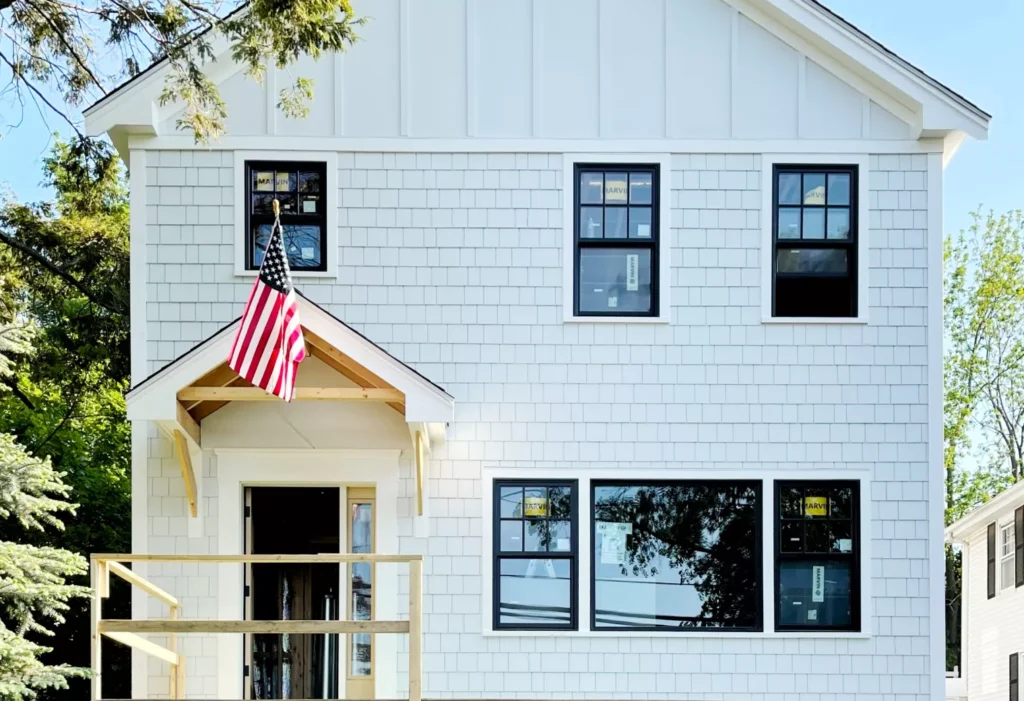
How Long Does Siding Last?
In Massachusetts, the average lifespan of siding generally falls between 20 and 50 years. Where your home lands in that range depends primarily on the material, the quality of the installation, maintenance, and how much weather the exterior is exposed to.
Here’s the catch: a house in Scituate facing salt air and nor’easter spray ages differently than the same house in Worcester. Sixty-plus freeze-thaw swings in a winter will find every gap in a wall. So how long does exterior siding last when it’s fighting that? Usually toward the low end – unless the material was picked for the climate and installed with proper flashing and clearances.
| Attribute | Vinyl | Fiber cement | Wood/cedar | Aluminum |
|---|---|---|---|---|
| Planning range | 20-40 years | 25-50 years | 20-30 years | 30-50 years |
| Cold-weather behavior | Brittle below 20°F | Handles freeze-thaw | Absorbs moisture | Stable, dents easily |
| Upkeep level | Low | Moderate repaints | High | Low, fades |
If you’re wondering how long does siding last on a house like yours, treat these numbers as starting points rather than expiration dates. Condition matters more than age alone.
Siding Lifespan by Material Type
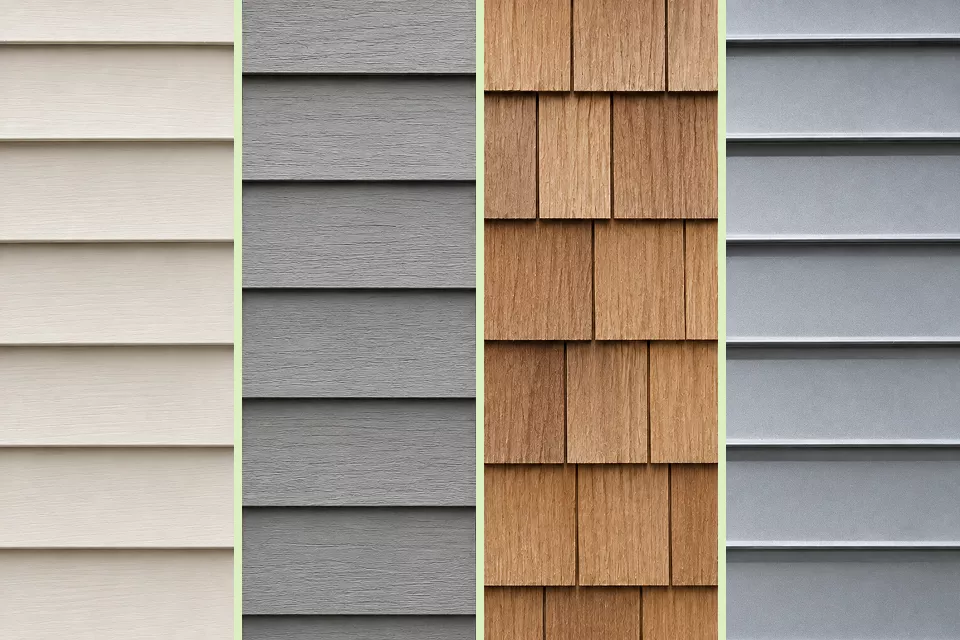
How Long Does Vinyl Siding Last?
Plan on roughly 20–40 years for vinyl siding. The actual vinyl siding lifespan depends on material grade, installation, exposure, and how well the panels have handled New England temperature changes over time.
Vinyl requires relatively little routine upkeep, but that does not make the wall system maintenance-free. Cracking, loose panels, warping, fading, and damage around openings are signs worth investigating rather than simply judging the siding by its age.
How Long Does Fiber Cement Siding Last?
Fiber cement siding generally has a lifespan of about 25–50 years. Correct clearances, flashing, fastening, moisture management, and ongoing finish maintenance all affect whether it reaches the higher end. For homeowners asking how long does Hardie siding last, the same principle applies: product durability and installation quality work together.
James Hardie is one of the fiber cement systems our crews work with, and our James Hardie Alliance Elite experience gives us firsthand insight into the installation details that influence performance.
If you’re comparing products, see what Hardie board siding is and why Hardie board moisture and ground contact matter.
How Long Does Wood Siding Last?
Wood siding generally lasts around 20–30 years, with maintenance and moisture exposure playing a significant role. How long does cedar siding last? A similar 20–30-year planning range is reasonable for cedar, although a well-maintained wall can age very differently from one exposed to persistent moisture or neglected coatings.
And how long does cedar shake siding last? Again, use roughly the same planning range while paying close attention to ventilation, moisture, finish condition, and local exposure. Wood gives New England homes a traditional look, but it asks more from the homeowner than lower-maintenance materials.
How Long Does Aluminum Siding Last?
Aluminum siding typically lasts 30–50 years. It does not rot like wood, but dents, fading, chalking, damaged finishes, and problems at joints can still determine when repair or replacement makes sense.
Age alone is rarely enough to make that decision.
What Affects Siding Lifespan in Massachusetts
Four factors matter most: moisture exposure, freeze-thaw cycles, installation quality, and ongoing maintenance.
Freeze-Thaw Cycles and Moisture Exposure
Water is particularly hard on exterior wall systems when it gets into places it should not be. During cold weather, repeated freezing and thawing can turn small weaknesses around seams, fasteners, trim, and flashing into larger problems.
Coastal homes face another challenge: higher moisture exposure and wind-driven weather can keep wall assemblies damp longer, especially when drainage or ventilation details are poor. Nor’easters can expose existing weaknesses quickly. Wind-driven rain does not need a large opening; a failed joint or flashing detail may be enough.
Roof drainage matters too. Water overflowing from gutters or moving behind poorly detailed intersections can repeatedly soak the same parts of the wall. That is one reason roof lifespan and condition in New England can affect exterior siding as well.
Installation Quality and Material Grade
Installation quality can move a siding system toward either end of its expected lifespan. Housewrap, flashing, clearances, fastening, expansion allowances, trim details, and manufacturer requirements are not cosmetic details. They control how the wall manages water and movement over time.
That is also why contractor credentials matter. Plum ProExteriors is a James Hardie Alliance Elite contractor and a CertainTeed Siding Master Pro, with certifications closely tied to proper installation practices.
If you are planning a project, professional siding installation in Massachusetts should include a clear explanation of how these details will be handled.
So when homeowners ask how long does house siding last, the answer is not determined by the material name alone. A premium product installed poorly can fail sooner than expected.
Signs Your Siding Needs Replacing
The calendar is useful, but the condition of the wall tells you more.
Exterior Warning Signs to Watch For
Check for:
- Rot, soft spots, or spongy sections, especially near grade and below windows
- Warping or buckling where boards or panels pull away from the wall
- Cracks, holes, or missing siding after storms or normal aging
- Signs of pest intrusion, including holes, nests, or damaged wood
- Peeling, fading, or bubbling finishes
- Mold or mildew growth that may point to persistent moisture
One isolated problem may only require a repair. Several warning signs across multiple walls make replacement siding the more practical long-term solution.
Understanding the cost to replace siding on a house can help you plan before damage spreads.
Interior Warning Signs of Siding Failure
Some of the most important warning signs appear inside. Water stains along exterior walls, damaged drywall or trim, recurring musty odors, and unexpected drafts can all justify a closer inspection of the exterior wall system.
These symptoms do not automatically mean the siding has failed, but they are good reasons to investigate before moisture damage becomes more extensive.
How to Extend Your Siding’s Lifespan
Routine siding maintenance is the cheapest insurance for your siding’s lifespan you’ll ever buy. Start with regular cleaning – once or twice a year, depending on how much shade, pollen, and salt air your walls collect.
Skip the pressure washer on fiber cement, though. A garden hose and soft brush, or a DIY vinyl siding cleaner, gets the job done without driving water behind panels.
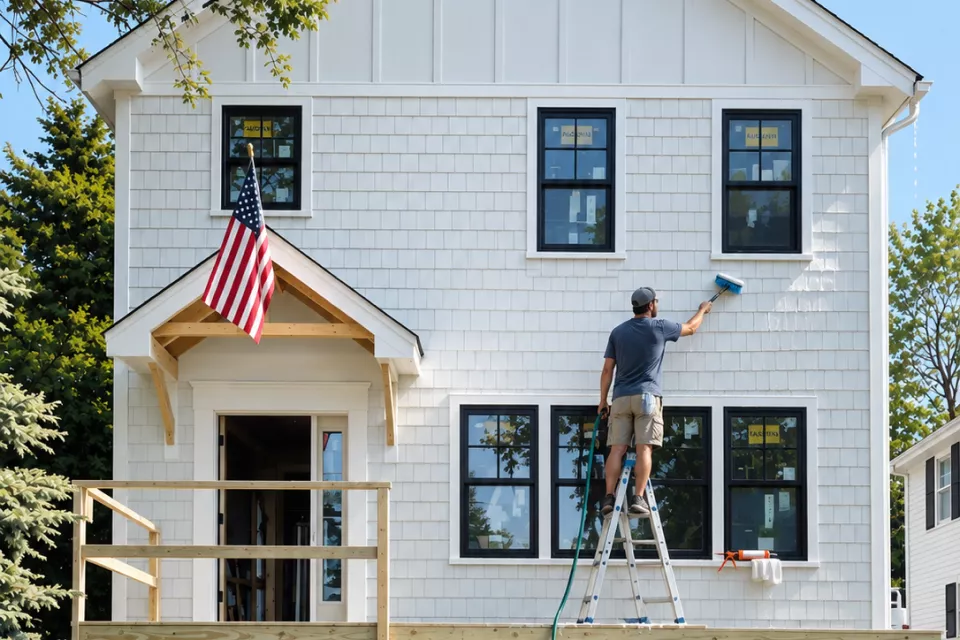
Next, check caulk and seals around windows, doors, and trim joints once a year. Cracked or shrinking caulk is how water sneaks in before winter, and replacing a tube’s worth of caulk beats replacing siding down the road.
Gutters matter more than most homeowners think. Overflowing gutters drench the same three feet of wall over and over, and contractors consistently name water as siding’s biggest enemy. Clear them in spring and fall, flush the downspouts, and extend the outlets away from the foundation.
Then schedule a professional inspection every one to three years. Loose flashing and early rot on a shaded Newton north wall rarely announce themselves. And remember – installing quality sets the ceiling on all of this from day one.
What We’ve Seen After Years of Siding Replacements in Massachusetts
After more than a decade of siding work across Massachusetts and New England, our crews see different failure patterns depending on exposure.
Coastal properties tend to demand particularly careful moisture management. Inland homes face repeated freeze-thaw conditions. Storm-driven rain can expose weak flashing or failed joints in either setting.
Across those conditions, the same installation details keep coming up: flashing, clearances, fastening, drainage, and the condition of the substrate behind the siding. That is the practical reason credentials such as James Hardie Alliance Elite and CertainTeed Siding Master Pro matter. They are not just badges; they reflect installation requirements designed to help siding perform as intended.
If you’re evaluating contractors, a qualified siding contractor in Newton, MA – or anywhere else in New England – should be able to explain those details before work begins.
FAQ
1. How often should you replace siding?
Most homes get new siding once every 20 to 50 years. Vinyl and wood usually come due sooner; fiber cement and aluminum stretch longer. Skip maintenance through a Massachusetts freeze-thaw winter, and you’ll shave years off either end.
2. How much does it cost to put siding on a 2000 sq ft house?
There is no single reliable price based solely on square footage. Material, trim, number of stories, wall complexity, removal, repairs underneath the existing siding, and other project details all affect the final cost. Use our siding installation cost guide for a more useful breakdown.
3. Is it worth replacing siding on a house?
It can be, especially when the existing siding has widespread moisture damage, rot, warping, or other failures that repairs cannot economically address. New siding also refreshes the exterior and gives you a chance to correct underlying weather-barrier or flashing problems discovered during removal.
4. How long does Hardie board siding last in New England’s climate?
A practical planning range for fiber cement, including Hardie board siding, is about 25–50 years. Reaching the upper end depends on installation quality, moisture management, maintenance, and exposure.
5. Does siding color affect how long it lasts?
Color and sun exposure can influence how a finish ages, but material quality, installation, moisture control, maintenance, and overall weather exposure are more important factors in total siding lifespan.
6. Can you repair siding instead of replacing it?
Yes. A limited area that is cracked, loose, or damaged may only need repair. Widespread rot, warping, moisture problems, or failures across several sections can make replacement the better long-term option. A professional inspection can help determine which approach makes sense.